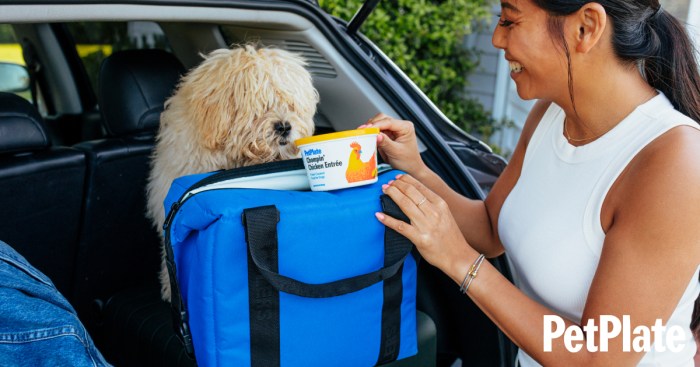
Planning a vacation with your beloved pet shouldn’t be a source of stress. With careful preparation and the right knowledge, you can ensure a smooth and enjoyable trip for both you and your furry, feathered, or scaled companion. This guide provides comprehensive tips and strategies to navigate the complexities of pet travel, from choosing the appropriate transportation and accommodation to managing your pet’s health and well-being throughout your journey.
We’ll cover everything from packing essentials to handling potential emergencies, ensuring a memorable and stress-free adventure.
From meticulously crafted checklists and detailed itinerary templates to insightful advice on pet-friendly transportation and accommodation, this guide offers practical solutions for every stage of your pet-inclusive vacation. We delve into crucial aspects of pet health and safety, providing valuable tips on managing pet anxiety and ensuring your pet’s comfort during travel. We also explore enriching activities and attractions to keep your pet entertained, along with ingenious travel hacks to simplify the process and minimize potential problems.
Planning Your Pet-Friendly Trip
Planning a trip with your beloved pet requires meticulous preparation to ensure a smooth and enjoyable experience for both you and your furry friend. Thorough planning minimizes stress and maximizes the fun, transforming your vacation into a cherished memory for everyone involved. This involves creating a comprehensive checklist, designing a detailed itinerary, and establishing a realistic budget that accounts for all pet-related expenses.
Essential Items Checklist for Traveling with Pets
A well-organized checklist is crucial for a stress-free journey. This ensures you don’t forget vital items for your pet’s health, comfort, and safe travel. The following table categorizes essential items for easy reference.
| Health | Comfort | Travel | Food & Water |
|---|---|---|---|
| Up-to-date vaccination records | Favorite toys and bedding | Pet carrier or crate (airline-approved if flying) | Sufficient food and water bowls |
| Medications (with instructions) | Comfortable leash and collar/harness | Seatbelt or harness for car travel | Enough food for the trip duration, considering any dietary restrictions |
| First-aid kit for pets | Familiar blanket or towel | Waste bags and pooper scooper | Portable water bottle or collapsible bowl |
| Copy of your vet’s contact information | Pet wipes or towels | GPS tracker (optional) | Treats (for training and rewards) |
| Emergency contact information | Brush and grooming supplies | Travel-sized pet shampoo | Any specific dietary supplements |
Sample 5-Day Pet-Friendly Road Trip Itinerary
This itinerary provides a framework for a 5-day road trip, adaptable to your specific location and preferences. Remember to factor in your pet’s needs and adjust the schedule accordingly.
| Day | Activities | Pet-Care Considerations |
|---|---|---|
| Day 1 | Travel to destination; short walk upon arrival. | Frequent stops for water and potty breaks; ensure your pet is comfortable in the car. |
| Day 2 | Explore a pet-friendly park; afternoon relaxing at your accommodation. | Pack water and waste bags; supervise your pet during playtime. |
| Day 3 | Visit a pet-friendly beach or lake (if applicable); evening stroll. | Ensure your pet is safe around water; apply sunscreen if necessary. |
| Day 4 | Hike a pet-friendly trail; afternoon rest. | Check trail conditions; bring water and snacks. |
| Day 5 | Travel home; final walk before departure. | Frequent stops; ensure your pet is secure in the car. |
Sample Budget Breakdown for a Week-Long Pet-Friendly Vacation
Budgeting for pet-related expenses is essential for a financially responsible trip. This sample breakdown considers various costs; your actual expenses may vary.
| Expense Category | Estimated Cost |
|---|---|
| Pet food | $50 |
| Pet supplies (waste bags, treats) | $25 |
| Veterinary care (if needed) | $100 (contingency) |
| Pet-sitting or boarding (if applicable) | $150 |
| Pet-friendly accommodation fees (potential surcharge) | $50 |
Transportation & Accommodation
Choosing the right transportation and accommodation is crucial for a stress-free pet-friendly trip. The method you select will significantly impact your pet’s comfort and overall travel experience. Careful consideration of your pet’s needs and the distance involved is key to making the right decision.
Transportation Options for Traveling with Pets
Selecting the appropriate mode of transport depends largely on the distance of your journey and your pet’s temperament. Each option presents unique advantages and disadvantages.Car travel offers the greatest control and flexibility. You can make frequent stops for your pet to stretch their legs, relieve themselves, and eat. The car provides a familiar and relatively secure environment, reducing stress for many animals.
However, long drives can be tiring for both you and your pet, requiring careful planning for breaks and potential overnight stops. Furthermore, the car’s climate control needs careful monitoring to prevent overheating or hypothermia.Air travel is often necessary for longer distances but can be more stressful for pets. Confining your pet in a carrier for extended periods can be anxiety-inducing.
Strict airline regulations regarding carrier size and pet type must be adhered to. The potential for delays and lost luggage adds to the inherent stress. However, air travel provides speed and efficiency, particularly for long-distance trips.Train travel offers a middle ground between car and air travel. It’s generally less stressful than air travel for pets, as the journey is often more spacious and allows for more movement within a designated area (depending on the train and railway company’s policy).
However, the availability of pet-friendly trains and routes is limited, and journey times can be significantly longer than air travel.
Pet-Friendly Airlines and Their Policies
Several airlines accommodate pets, but their policies vary significantly. It’s crucial to check the specific rules of your chosen airline well in advance of your travel date. Changes in regulations are frequent. Contacting the airline directly is recommended to ensure you have the most up-to-date information.
- United Airlines: Generally allows pets in cargo or cabin (depending on size and breed). Specific requirements regarding carriers and health certificates are detailed on their website.
- American Airlines: Accepts pets in cargo only, with specific requirements for size, breed, and health documentation. They have a dedicated section on their website for pet travel information.
- Delta Air Lines: Similar to other major carriers, Delta has specific rules and restrictions on transporting pets, both in cabin and cargo. These rules vary depending on the route and the time of year.
Note: This is not an exhaustive list and airline policies are subject to change. Always check directly with the airline before booking your flight.
Finding Pet-Friendly Accommodation
Numerous resources are available to help you locate pet-friendly hotels, vacation rentals, and campsites. Using these tools simplifies the search process and ensures you have a comfortable stay with your pet.
- BringFido: This website offers a comprehensive database of pet-friendly hotels, vacation rentals, and activities.
- Airbnb: Many hosts on Airbnb explicitly state whether their properties are pet-friendly, allowing you to filter your search accordingly.
- Booking.com: Similar to Airbnb, Booking.com allows you to filter your search for pet-friendly accommodations.
- Hipcamp: This platform specializes in finding pet-friendly campsites and outdoor accommodations.
Pet Health & Safety
Ensuring your pet’s well-being during travel is paramount. A healthy and comfortable pet makes for a much more enjoyable trip for everyone involved. Prioritizing their health and safety requires careful planning and preparation before you even set foot on the road or in the air.Preparing for your pet’s journey involves several crucial steps, primarily focusing on their health and safety.
Neglecting these preparations can lead to unnecessary stress for both you and your animal companion, potentially resulting in unforeseen veterinary expenses and disruptions to your travel plans. Let’s explore the essential aspects of pet health and safety for a smooth and stress-free trip.
Pet Health Certificates and Vaccinations
Necessary vaccinations and health certificates are often mandated by your destination and/or your chosen mode of transportation (airline, train, etc.). These documents verify your pet’s health status and help prevent the spread of diseases. Contact your veterinarian well in advance of your trip to discuss the required vaccinations and obtain the necessary certificates. Timing is critical, as some vaccines require a waiting period before they become fully effective.
For international travel, the requirements can be quite stringent, often including specific tests and treatment protocols. It’s crucial to research these requirements thoroughly and allow ample time for compliance. Failure to provide the correct documentation can result in your pet being denied entry or transport.
Preparing a Pet First-Aid Kit
A well-stocked pet first-aid kit is essential for handling minor injuries or illnesses that might arise during travel. This kit should be readily accessible and include items such as antiseptic wipes, bandages, gauze pads, tweezers, scissors, a thermometer, and any medication your pet regularly takes. You should also include a copy of your pet’s medical records, including vaccination details and any allergies or pre-existing conditions.
Consider adding items like electrolyte solution for dehydration, a muzzle (if your pet is prone to biting when stressed), and a small flashlight. Remember to check the expiration dates on all medications and supplies regularly.
Managing Pet Anxiety During Travel
Travel can be stressful for pets, leading to anxiety and behavioral issues. Many pets exhibit signs of anxiety, such as excessive panting, restlessness, whining, vomiting, or changes in appetite. To mitigate anxiety, consider using calming aids such as pheromone sprays or diffusers, which release synthetic versions of calming hormones. Familiar toys, blankets, or a comfortable bed can provide a sense of security.
If your pet experiences severe anxiety, your veterinarian may recommend anti-anxiety medication. This should be administered as prescribed and only after consultation with a vet. In some cases, a gradual desensitization process before the actual trip can be beneficial, gradually exposing your pet to travel-related stimuli in a controlled environment. For long journeys, plan for frequent breaks to allow your pet to stretch, relieve themselves, and have a drink and a snack.
Activities & Entertainment
Traveling with pets shouldn’t mean sacrificing fun! With a little planning, you can create a memorable trip for both you and your furry, feathered, or scaled companion. Remember to prioritize your pet’s comfort and safety while exploring new places and engaging in exciting activities. This section will provide ideas and safety tips to make your journey enjoyable for everyone.
Pet-Friendly Activities and Attractions
Choosing appropriate activities depends heavily on your pet’s breed, age, and temperament. For instance, a high-energy dog will thrive in different environments than a laid-back cat. Consider your pet’s individual needs when selecting activities.
- For Dogs: Hiking on designated trails (always keeping them leashed), visits to dog parks (checking for safety and cleanliness beforehand), exploring pet-friendly beaches, attending dog-friendly events like farmers’ markets or festivals.
- For Cats: Cats often prefer calmer activities. Exploring pet-friendly indoor spaces like museums or shops (many offer cat-friendly days), relaxing in a pet-friendly hotel room with window views, or enjoying a quiet stroll in a harness and leash in a calm environment.
- For Other Pets: Research pet-friendly attractions specifically tailored to your pet’s species. For example, bird-watching tours may be suitable for birds, while reptile enthusiasts may find interest in zoos or wildlife sanctuaries with appropriate viewing areas.
Keeping Pets Entertained During Travel
Long journeys can be stressful for pets. Proactive entertainment is crucial to minimize anxiety and ensure a smoother trip.
- Car Rides: Provide a comfortable, secure carrier or seatbelt harness. Pack familiar toys and blankets for comfort. Regular stops for bathroom breaks, water, and short walks are essential. Consider puzzle toys to keep them mentally stimulated.
- Flights: Familiar toys and calming pheromone sprays can ease anxiety. Ensure the carrier is appropriately sized and well-ventilated. Consult your veterinarian about medication to help reduce travel stress, if needed. Many airlines have specific requirements for pet travel; familiarize yourself with these well in advance.
Ensuring Pet Safety During Outdoor Activities
Safety should always be the top priority when engaging in outdoor activities with your pet.
- Leashes and Harnesses: Always use appropriate leashes and harnesses, especially in unfamiliar environments. A well-fitting harness prevents escape and reduces the risk of injury. Consider a GPS tracker for added security, particularly in areas with limited visibility.
- Supervision: Never leave your pet unattended, especially near water or other potential hazards. Constant supervision is crucial, particularly with curious or playful animals.
- Weather Conditions: Be mindful of weather conditions. Avoid strenuous activities during extreme heat or cold. Provide shade and water during hot days and extra layers of warmth during cold weather.
- Wildlife Awareness: Be aware of potential wildlife encounters and take necessary precautions. Keep your pet away from wild animals and ensure they are protected from potential threats.
Travel Hacks for Pet Owners
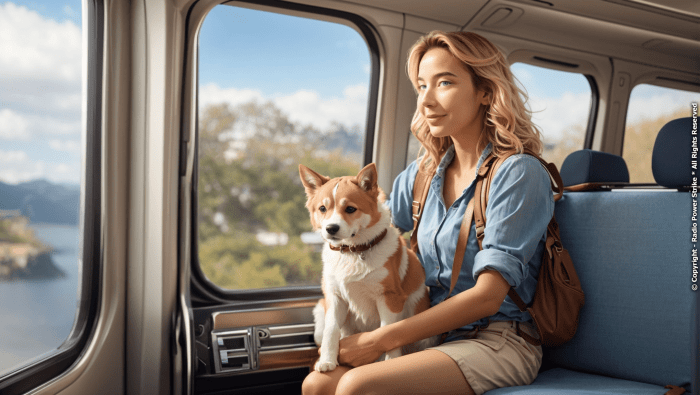
Traveling with pets doesn’t have to be stressful. With a little planning and the right hacks, you can ensure a smooth and enjoyable trip for both you and your furry friend. This section focuses on practical tips and strategies to simplify your pet travel experience, minimizing potential challenges and maximizing the fun.
Packing and Organization Strategies
Efficient packing is crucial for stress-free pet travel. A well-organized bag prevents frantic searches for essentials amidst travel chaos. Consider these strategies to streamline your packing process:
- Utilize packing cubes: Separate your pet’s supplies (food, medication, toys, etc.) into individual, clearly labeled packing cubes. This keeps everything organized and easily accessible.
- Create a portable pet first-aid kit: Include essential items like antiseptic wipes, bandages, tweezers for removing ticks, and any prescribed medications. Remember to keep a copy of your pet’s vaccination records readily available.
- Pack a collapsible food and water bowl: These save space and are easy to clean. Alternatively, consider reusable silicone bowls that can be rolled up for compact storage.
- Use a dedicated pet carrier backpack: This allows for hands-free transport, especially useful for smaller pets. Ensure the carrier is well-ventilated and comfortable for your pet.
- Pre-portion food and treats into individual bags: This prevents spills and ensures you have the right amount for each meal or snack. Label each bag clearly with the date and contents.
Preventing Pet Messes and Accidents
Accidents happen, but proactive measures can significantly reduce the likelihood of messes during travel. Preparation is key to minimizing cleanup and ensuring a more pleasant journey.
- Use absorbent pads or puppy training pads: Line your pet’s carrier or crate with absorbent pads to catch any accidents. These are particularly helpful during long journeys.
- Pack plenty of waste bags: Always have enough waste bags on hand for quick and easy cleanup. Consider using biodegradable or compostable bags for environmentally conscious travel.
- Plan frequent potty breaks: Regular bathroom breaks are essential, especially for puppies or older pets. Factor in extra time for these stops during your travel itinerary.
- Bring enzymatic cleaner: This specialized cleaner effectively removes pet stains and odors, making it ideal for cleaning up accidents in cars, hotels, or other locations.
- Limit food and water intake before travel: This can help reduce the chances of motion sickness and accidents during long journeys. Consult your veterinarian for specific recommendations.
Managing Pet Behavior in Unfamiliar Environments
New environments can be overwhelming for pets, potentially leading to anxiety or behavioral issues. These strategies can help manage your pet’s behavior and ensure a smoother experience.
- Bring familiar items: Packing a favorite toy, blanket, or bed can provide comfort and a sense of security in unfamiliar surroundings. The familiar scent can help reduce anxiety.
- Introduce your pet gradually: Avoid overwhelming your pet by gradually introducing them to new environments. Let them explore at their own pace.
- Use calming aids: Consider using pheromone diffusers or calming treats to help reduce anxiety, particularly if your pet is prone to travel stress. Consult your veterinarian for suitable options.
- Maintain a consistent routine: Try to stick to your pet’s usual feeding, sleeping, and exercise schedule as much as possible, even while traveling. Consistency provides comfort and stability.
- Positive reinforcement: Use positive reinforcement techniques, such as treats and praise, to encourage good behavior and create positive associations with the new environment.
Travel Insurance & Emergency Preparedness
Traveling with your beloved pet can be an incredibly rewarding experience, but unforeseen circumstances can arise. Comprehensive travel insurance is crucial to mitigate potential financial and emotional burdens associated with unexpected events during your trip. Protecting both yourself and your furry companion with appropriate coverage ensures peace of mind and allows you to focus on enjoying your adventure.Protecting both you and your pet requires a multifaceted approach to insurance and emergency preparedness.
Standard travel insurance policies often have limitations regarding pet-related incidents. Therefore, securing specialized pet travel insurance is highly recommended to cover veterinary expenses, lost pet recovery, and other pet-specific emergencies. Furthermore, proactive planning, including compiling a comprehensive emergency contact list, can significantly improve your response time in critical situations.
Types of Pet Travel Insurance and Coverage
Pet travel insurance policies vary widely in their coverage. Some policies offer basic coverage for veterinary expenses incurred due to illness or injury during the trip, while others provide more comprehensive protection, including lost pet recovery, liability coverage for accidents caused by your pet, and even cancellation or interruption coverage if your pet becomes ill and prevents you from traveling.
It’s essential to carefully review the policy wording to understand the extent of coverage before purchasing. Consider factors such as the duration of your trip, your pet’s breed and age (as certain breeds may have higher premiums), and the destination’s veterinary care costs when choosing a plan. For example, a policy might cover up to $5,000 in veterinary expenses, but have a daily limit of $500.
Understanding these limitations is crucial.
Emergency Contact Numbers and Resources for International Travel
Having a readily accessible list of emergency contacts is vital when traveling internationally with your pet. This list should include your veterinarian’s contact information, the emergency veterinary services in your destination, local animal control, and the relevant embassy or consulate. Additionally, consider including the phone number for your travel insurance provider and any pet transportation companies involved in your trip.
It’s advisable to store this information both digitally and in a printed copy, separate from your electronic devices, to ensure accessibility in case of loss or damage.
- Your Veterinarian: Keep their contact details readily available, including after-hours emergency numbers.
- Emergency Veterinary Services (Destination): Research and list the nearest 24-hour veterinary clinics in your destination city.
- Local Animal Control (Destination): Obtain contact information for the local animal control agency in your destination.
- Your Country’s Embassy/Consulate (Destination): Contact information for assistance with emergencies and travel-related issues.
- Travel Insurance Provider: Keep their 24/7 emergency assistance number handy.
- Pet Transportation Company (if applicable): Contact information for the company handling your pet’s transportation.
Capturing Your Travel Memories
Traveling with your pet creates a wealth of unforgettable moments. Preserving these memories through high-quality photos and videos is essential for cherishing your journey long after you’ve returned home. This section offers guidance on capturing those special moments with your furry travel companion.Capturing stunning images of your pet on your travels involves more than just pointing and shooting.
Understanding basic photography techniques and utilizing the right equipment can significantly enhance the quality and memorability of your travel photos and videos. By mastering these techniques, you can create a visual diary that perfectly reflects the joy and adventure of your pet-friendly trip.
Photography Techniques for Pet Portraits
Achieving captivating pet portraits requires attention to several key elements. Good lighting is crucial; natural, soft light, such as that found on an overcast day or during the golden hour (sunrise and sunset), minimizes harsh shadows and produces more flattering results. Avoid using flash, as it can startle your pet and create unnatural-looking images. Experiment with different angles; shooting from a lower perspective can make your pet appear larger and more imposing, while a higher angle can create a more playful and endearing image.
Composition is equally important; using the rule of thirds (placing your pet off-center in the frame) can create more visually appealing images. Consider the background as well; a cluttered background can distract from your pet, so choose a setting that complements your subject.
Video Recording Tips for Pet Adventures
While still photography captures specific moments, video allows you to record the flow of your pet’s adventures. Remember to stabilize your camera or phone, whether using a tripod or employing image stabilization features. This prevents shaky footage, enhancing viewer experience. Capture a variety of shots—wide shots to show the overall scene, medium shots to focus on your pet’s activities, and close-ups to highlight expressions and details.
Vary the pace of your shots; quick cuts can add energy and excitement, while slower, more deliberate shots can highlight specific moments. Good audio is also essential; ensure your recording device is positioned to capture clear, crisp sound.
Sample Social Media Post
Imagine a photo of your dog happily lounging on a beach, the ocean in the background. The caption could read: “Sandy paws and salty air! 🐾 Enjoying a perfect beach day with my best friend on our #petfriendlytravel adventure in [Location]. #travelwithpets #dogtravel #beachlife #vacationmode #[Pet’sName]”. This showcases a joyful experience while using relevant hashtags to increase visibility.
Remember to include a high-quality image or video showcasing your pet’s travel experience. Consider using a carousel post to showcase multiple photos or videos of your journey.
Travel Visa Requirements
Securing the necessary travel visas for your pet is a crucial step in ensuring a smooth and stress-free international journey. The process can vary significantly depending on your destination country and your pet’s breed and species. Failing to obtain the correct documentation can lead to delays, hefty fines, or even the heartbreaking return of your pet to your origin country.
Careful planning and proactive research are essential.The process of obtaining pet travel visas generally involves several key steps. First, you must identify the specific requirements of your destination country well in advance of your trip. This typically involves contacting the embassy or consulate of the country you are visiting. They will provide detailed information on the necessary documentation, health certificates, and any quarantine periods.
Secondly, you will need to ensure your pet meets all health and vaccination standards, often including rabies vaccinations and microchipping. Finally, you’ll need to complete the application process for the visa itself, which may involve submitting the required documentation and paying applicable fees. The timeframe for processing can vary greatly, so allow ample time for potential delays.
Pet Travel Visa Documentation Requirements
The specific documentation required for pet travel visas varies widely by country. Some countries may require a simple health certificate issued by a licensed veterinarian, while others may demand more extensive documentation, including blood tests, vaccination records, and even a specific import permit. For example, Australia has stringent biosecurity measures and requires significant documentation, including a veterinary health certificate issued within 10 days of travel and proof of microchipping.
In contrast, some European Union countries may have less stringent requirements, but still require a valid pet passport. It is vital to consult the relevant embassy or consulate website for precise and up-to-date information. Always obtain a copy of the specific requirements and keep it readily available throughout the travel process.
Quarantine Requirements and Restrictions
Many countries impose quarantine periods for animals entering their borders. The duration of these quarantines can range from a few days to several months, depending on the country’s regulations and the animal’s origin. These quarantines are designed to protect the country’s domestic animal population from the introduction of diseases. For instance, some countries require pets to be quarantined at a designated facility upon arrival, while others allow for home quarantine under specific conditions.
Understanding these quarantine requirements is vital for planning your trip and ensuring your pet’s well-being. Failure to comply with quarantine rules can result in your pet being denied entry or facing significant delays. It’s always best to check with the appropriate authorities well in advance of your trip to understand the specifics of the quarantine process and make the necessary arrangements.
Exploring Urban Escapes with Your Pet
Urban exploration with your furry friend can be a rewarding experience, offering a unique blend of city excitement and cherished companionship. However, navigating the bustling streets and public spaces requires careful planning and preparation to ensure both your safety and your pet’s well-being. This section will explore some key considerations for making your urban adventure a success.
Pet-Friendly Urban Destinations and Activities
Many cities are increasingly embracing pet-friendly policies, offering a wide array of activities for you and your pet to enjoy. Examples include New York City, with its numerous dog-friendly parks like Central Park and Washington Square Park, and its many pet-friendly restaurants and cafes. Similarly, London boasts numerous green spaces like Hyde Park and Regent’s Park, along with a thriving pet-friendly café culture.
San Francisco offers stunning coastal walks and parks perfect for canine companions, while cities like Paris and Amsterdam are becoming increasingly accommodating to pet owners, with designated areas in parks and on public transportation. Activities can range from leisurely strolls through picturesque neighborhoods to attending pet-friendly events like farmers’ markets or outdoor festivals.
Navigating Public Transportation with Pets in Urban Areas
Public transportation policies vary significantly between cities. In some cities, pets may be allowed on public transport with appropriate carriers or harnesses, while others may have stricter limitations or require specific documentation. For instance, in many parts of London, well-behaved dogs are permitted on the Underground (Tube) during off-peak hours, provided they are kept on a lead and are not causing a disturbance.
Conversely, some cities may only allow service animals on public transportation. Before traveling, research the specific rules and regulations of the public transportation system in your chosen destination to avoid unexpected issues or fines. Always ensure your pet is appropriately restrained and comfortable during travel.
Keeping Pets Safe and Comfortable in Busy City Environments
Urban environments present unique challenges for pets. Noise, crowds, and unfamiliar sights and smells can be overwhelming. Keeping your pet safe and comfortable requires proactive measures. Always keep your pet on a leash in public areas, even in seemingly quiet locations. Consider using a harness instead of a collar to reduce the risk of choking or escape.
Provide regular breaks and opportunities for your pet to rest and rehydrate, especially during hot weather. Be mindful of traffic and potential hazards such as construction sites or busy roads. Carrying water and pet waste bags is essential. Finally, familiarize your pet with city sounds and sights gradually to minimize stress and anxiety during your trip.
Vacation Packages & Programs
Planning a vacation with your beloved pet doesn’t have to be a logistical nightmare. Many companies now offer specialized packages designed to make traveling with your furry, feathered, or scaled friend a smooth and enjoyable experience. These packages often bundle together pet-friendly accommodations, transportation options, and sometimes even activities tailored to both you and your pet. This allows for a more streamlined and often more cost-effective travel experience.Several vacation programs cater specifically to pet-friendly travel, offering various levels of service and amenities.
These range from simple packages that guarantee pet-friendly lodging to all-inclusive options that include pet-sitting services, specialized transportation, and even pet-focused excursions. The best choice depends on your budget, travel style, and your pet’s specific needs.
Types of Pet-Friendly Vacation Packages
Pet-friendly vacation packages vary widely in their offerings. Some focus primarily on providing comfortable and convenient accommodations for both you and your pet, ensuring pet-friendly rooms, outdoor spaces, and perhaps even nearby dog parks. Others go further, including pet-specific amenities like food bowls, beds, and toys. Luxury packages might even offer in-room pet-sitting services or access to private pet-friendly beaches or hiking trails.
Adventure packages could incorporate activities like guided dog-friendly hikes or kayaking tours. The level of service and included amenities directly impacts the overall cost. For example, a basic package might simply guarantee a pet-friendly hotel room, while a premium package could include a private chef preparing meals for both you and your pet, along with a dedicated pet concierge.
Comparison of Pet-Friendly Travel Programs
Comparing different pet-friendly travel programs requires careful consideration of several factors. Price is a key element, but it’s important to consider the value offered for the cost. A more expensive package might offer significantly more amenities and a higher level of service, ultimately saving you time and stress. The location and type of accommodation are also important. Do you prefer a cozy cabin in the mountains or a luxury resort on the beach?
The specific activities and amenities included in the package should also align with your travel preferences and your pet’s needs and temperament. Some programs might specialize in adventure travel, while others might focus on relaxation and pampering. Reading reviews from previous travelers is crucial to understanding the quality of service and the overall experience provided.
Reputable Companies Offering Pet-Friendly Vacation Packages
Several reputable companies specialize in offering pet-friendly vacation packages. It is important to research each company thoroughly and read reviews before booking. While specific company names and offerings are subject to change, searching online for “pet-friendly vacation packages” or “pet travel agencies” will yield numerous results. Look for companies with transparent pricing, clear terms and conditions, and positive customer reviews.
Checking for affiliations with relevant pet-related organizations or certifications can also provide an extra layer of assurance. Remember to carefully review the specific inclusions and exclusions of each package before making a decision.
Venture Capital and the Pet Travel Industry (Optional – tangential but potentially interesting)
The pet travel industry is experiencing significant growth, driven by increasing pet ownership and a rising trend of pet owners incorporating their furry friends into their travel plans. This burgeoning market presents compelling investment opportunities for venture capitalists seeking high-growth sectors. The convergence of technology, evolving consumer preferences, and a growing awareness of pet welfare is creating a fertile ground for innovation and disruption.The pet travel market is characterized by fragmentation, with numerous small businesses operating alongside larger players.
This presents both challenges and opportunities for investors. While identifying scalable business models can be complex, successful ventures can capitalize on underserved niches and leverage technology to streamline operations and enhance customer experience.
Potential Investment Opportunities in the Pet Travel Industry
Several areas within the pet travel industry offer promising investment opportunities. These ventures are capitalizing on the growing demand for convenient, safe, and reliable pet travel services. The potential for disruption and scalability within these areas is significant.
- Pet-friendly transportation solutions: Investment in companies developing innovative transportation solutions specifically designed for pets, such as specialized pet carriers for airplanes, comfortable pet-friendly vehicles for road trips, or even dedicated pet shipping services with enhanced tracking and monitoring capabilities. This could include developing better, more comfortable crates and carriers, or even drone delivery systems for smaller pets over shorter distances.
- Pet-friendly accommodation platforms: Funding platforms that curate and verify pet-friendly accommodations, providing detailed information about pet policies, amenities, and nearby pet-friendly activities. This could include developing specialized booking systems or apps that cater to the specific needs of pet owners when searching for lodging.
- Pet travel insurance and emergency services: Investing in companies offering comprehensive pet travel insurance policies that cover unexpected medical expenses, lost pets, or travel disruptions. This also includes developing a network of veterinary professionals available globally for emergency pet care.
- Technology-driven pet travel services: Supporting the development of mobile apps and online platforms that simplify the pet travel booking process, provide real-time tracking of pets during transit, and offer personalized travel recommendations based on pet preferences and needs. Examples include apps that locate pet-friendly businesses along a route, or provide translation services for pet-related documents in different countries.
Emerging Trends and Technologies Impacting Pet Travel
Technological advancements are transforming the pet travel experience, creating new opportunities for innovation and growth. The adoption of these technologies will likely continue to increase, driving further expansion of the market.
- AI-powered pet travel planning tools: Artificial intelligence can personalize travel itineraries, recommend pet-friendly destinations, and optimize travel routes based on pet breed, size, and health conditions. This could also include features that automatically identify and book pet-friendly accommodations and transportation.
- Real-time pet tracking and monitoring: GPS tracking devices and wearable technology allow pet owners to monitor their pets’ location, activity levels, and health status during travel. This provides peace of mind and enables timely intervention in case of emergencies.
- Blockchain technology for pet travel documentation: Blockchain can secure and streamline the process of verifying pet health records and travel documents, reducing paperwork and improving efficiency. This would allow for secure and tamper-proof documentation to be easily shared between various stakeholders involved in pet travel.
- Virtual and augmented reality for pet travel experiences: VR/AR technologies can create immersive experiences for pets during travel, reducing stress and anxiety. This could include creating virtual environments that simulate familiar surroundings or provide calming sensory input.
Growth Potential and Market Analysis of Pet-Friendly Travel Services
The pet travel market is poised for substantial growth, fueled by several key factors. This growth presents significant opportunities for investors and businesses operating in this sector. Examples of this growth are readily apparent in the increasing number of pet-friendly airlines, hotels, and vacation rental properties.
- Increasing pet ownership: The number of pet owners globally is steadily rising, driving demand for pet-friendly travel options. This trend is particularly pronounced in developed countries, but is also increasingly seen in emerging markets.
- Changing consumer preferences: Pet owners are increasingly viewing their pets as family members, leading to a greater willingness to include them in travel plans. This shift in perception is a key driver of the market’s growth.
- Rise of the “pet economy”: The overall pet economy is experiencing robust growth, with pet owners spending more on pet-related products and services, including travel. This reflects a growing trend of humanization of pets and increasing willingness to invest in their well-being.
- Technological advancements: The adoption of new technologies is improving the convenience, safety, and affordability of pet travel, further stimulating market growth. The development of new technologies directly contributes to improved user experience and drives adoption.
Traveling with pets can be an incredibly rewarding experience, strengthening the bond you share while creating lasting memories. By following the tips and strategies Artikeld in this guide, you can confidently navigate the challenges of pet travel, transforming potential anxieties into exciting adventures. Remember, thorough planning and proactive measures are key to ensuring a stress-free journey for both you and your cherished companion.
Embrace the journey, and enjoy the incredible memories you’ll create together.
Questions Often Asked
What are some common pet travel mistakes to avoid?
Common mistakes include inadequate planning (lack of reservations, insufficient supplies), neglecting pet health certifications, and failing to account for your pet’s specific needs during travel (e.g., appropriate climate control, frequent breaks).
How can I keep my pet calm during a long car ride?
Use a comfortable carrier or pet seatbelt, provide familiar toys and blankets, and plan for frequent stops to allow your pet to stretch and relieve themselves. Consider calming aids like pheromone diffusers or calming treats.
What should I do if my pet gets lost while traveling?
Immediately report your pet missing to local authorities and animal shelters. Ensure your pet is microchipped and wears a collar with updated identification tags. Utilize social media and lost pet websites to spread the word.
Are there any restrictions on bringing pets into certain countries?
Yes, significantly. Import regulations vary greatly by country and may include mandatory vaccinations, health certificates, and quarantine periods. Check the specific requirements of your destination country well in advance.


