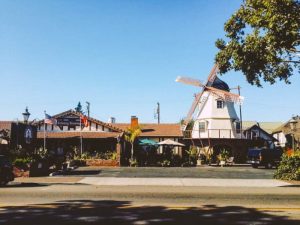
Exploring Europe on a shoestring budget is entirely achievable with careful planning. This guide delves into the world of budget-friendly backpacking programs, offering insights into cost-effective accommodation, transportation, food, and activities. We’ll uncover hidden gems and practical strategies to maximize your European adventure without breaking the bank, ensuring an unforgettable experience.
From finding the cheapest hostels and utilizing efficient public transportation to savoring delicious local cuisine without overspending, we’ll equip you with the knowledge and resources to navigate Europe like a seasoned budget traveler. We’ll examine various travel programs, helping you choose the best fit for your style and budget, allowing you to focus on creating lasting memories.
Defining Budget-Friendly Backpacking in Europe

Budget-friendly backpacking in Europe requires careful planning and a willingness to embrace a more minimalist travel style. It’s about maximizing experiences while minimizing expenses, focusing on value rather than luxury. This approach allows you to explore multiple countries and cities without breaking the bank.Budget-friendly backpacking prioritizes cost-effective choices across all aspects of your trip. This involves strategically selecting accommodation, transport, food, and activities.
It’s about finding the sweet spot between affordability and comfort, ensuring a memorable experience without unnecessary splurging.
Daily Budget Examples for Different European Countries
The cost of backpacking varies significantly across Europe. Factors like season, location (capital cities tend to be more expensive), and your spending habits all play a role. The following are estimates for daily budgets, assuming a mix of budget accommodation, affordable food, and utilizing cost-effective transportation. These are rough guides and can be adjusted based on your preferences.
| Country | Low Budget (€) | Mid-Range Budget (€) | High Budget (€) |
|---|---|---|---|
| Portugal | 30 | 50 | 80 |
| Greece | 35 | 60 | 90 |
| Czech Republic | 40 | 65 | 100 |
| Italy | 45 | 75 | 110 |
| France | 50 | 80 | 120 |
These figures are based on average prices and may fluctuate depending on the season and specific locations within each country. Remember, these are daily budgets, not total trip costs.
Sample 10-Day Backpacking Itinerary: Cost-Saving Strategies
This itinerary focuses on a route through Western Europe, highlighting cost-saving measures. It’s a suggestion, and you can adjust it to your interests and budget.This itinerary prioritizes budget-friendly options such as hostels, public transport, and free activities, allowing for a rich European experience without excessive spending.
Day 1-3: Amsterdam, Netherlands
Stay in a hostel (dorm room), utilize public transport (trams and buses), enjoy free walking tours, visit free museums on specific days, and pack your own lunches and snacks.
Day 4-6: Cologne, Germany
Take a budget airline or overnight bus to Cologne. Stay in a hostel, explore the city on foot, and enjoy the free activities like walking along the Rhine River and visiting the Cologne Cathedral (entry fee applies but is worth it).
Day 7-9: Paris, France
Travel by budget airline or train to Paris. Opt for a hostel outside the immediate city center, use the extensive metro system, take advantage of free walking tours and parks, and visit free attractions like the Jardin du Luxembourg.
Day 10: Departure
Depending on your flight schedule, you might have time for some last-minute sightseeing before heading to the airport.
Remember to book accommodations and transportation in advance, especially during peak season, to secure the best deals.
Popular Budget-Friendly Destinations
Europe offers a wealth of opportunities for budget-conscious backpackers, with many countries providing affordable travel experiences. Factors like readily available budget accommodation, inexpensive local food options, and efficient public transportation systems contribute significantly to keeping costs down. Choosing the right destination is key to maximizing your travel experience while minimizing expenditure.Exploring five European countries that consistently rank highly for budget backpacking, this section details their affordability and highlights lesser-known, yet equally charming, destinations within each.
Five Budget-Friendly European Countries
Several factors contribute to a country’s affordability for backpackers. These include the cost of accommodation (hostels, guesthouses), the price of food (local markets vs. restaurants), and the efficiency and cost of public transportation. Considering these aspects, we’ve identified five countries that offer excellent value for money.
| Country | Accommodation (per night) | Food (per day) | Transportation (per day) |
|---|---|---|---|
| Portugal | €15-€30 (hostel dorm) | €20-€30 (local markets & eateries) | €10-€15 (public transport) |
| Hungary | €10-€25 (hostel dorm) | €15-€25 (local markets & restaurants) | €5-€10 (public transport) |
| Greece | €15-€35 (hostel dorm) | €20-€35 (local markets & tavernas) | €10-€20 (buses & ferries) |
| Czech Republic | €12-€28 (hostel dorm) | €18-€30 (local markets & pubs) | €7-€12 (public transport) |
| Romania | €8-€20 (hostel dorm) | €12-€20 (local markets & restaurants) | €5-€8 (public transport) |
Note: These are estimated average costs and can vary depending on your travel style and season.
Lesser-Known Budget Destinations within Chosen Countries
While popular cities offer their own charm, exploring lesser-known destinations can significantly enhance the backpacking experience and often comes at a lower cost.
Portugal: Beyond Lisbon and Porto, consider exploring the Algarve’s smaller coastal towns like Tavira or Lagos during the shoulder seasons (spring or autumn) for lower prices and fewer crowds. The historical towns of Óbidos and Évora offer a captivating glimpse into Portuguese heritage without the high tourist costs of major cities.
Hungary: While Budapest is a must-see, consider exploring the charming towns of Eger, known for its baroque architecture and wine cellars, or Pécs, a UNESCO World Heritage city with a rich history and vibrant cultural scene. These destinations offer a more authentic Hungarian experience at a fraction of the cost.
Greece: While the islands are alluring, exploring mainland Greece offers more affordable options. Consider visiting charming towns like Nafplio, a picturesque coastal town with Venetian architecture, or Meteora, a breathtaking landscape of monasteries perched atop sandstone rock formations. These locations provide unique experiences at a lower price point than the popular islands.
Czech Republic: While Prague is a must-see, consider exploring the medieval town of Český Krumlov, a UNESCO World Heritage site with a stunning castle and charming cobblestone streets, or Kutná Hora, known for its Sedlec Ossuary (Bone Church), a unique and unforgettable experience. These towns offer a more intimate and affordable experience compared to Prague.
Romania: Beyond Bucharest, explore the medieval city of Sibiu, a beautifully preserved city with stunning architecture and a vibrant cultural scene, or Sighisoara, a UNESCO World Heritage site and the birthplace of Vlad the Impaler, offering a captivating journey through history. These destinations provide a more authentic Romanian experience at a significantly lower cost.
Accommodation Options for Backpackers
Finding affordable and comfortable accommodation is crucial for budget-friendly backpacking in Europe. Several options cater to different preferences and budgets, each with its own set of advantages and disadvantages. Careful consideration of these choices will significantly impact the overall cost and experience of your trip.
Hostel Accommodation
Hostels are a staple for budget travelers. They offer dorm-style rooms with multiple beds, often shared bathrooms, and communal spaces. This shared environment fosters social interaction, making it ideal for solo travelers looking to meet people. Private rooms are sometimes available at a higher price. Pros include low cost, social atmosphere, and often central locations.
Cons include potential noise, lack of privacy, and shared bathroom facilities. Many hostels offer extras like kitchen facilities, allowing you to prepare some of your own meals, further reducing costs.
Guesthouse Accommodation
Guesthouses offer a more private and often quieter alternative to hostels. They typically provide private rooms, sometimes with en-suite bathrooms, and a more homely atmosphere. While generally more expensive than hostels, guesthouses still offer a budget-friendly option compared to hotels. They often have a family-run feel, providing personalized service and local insights. The downside can be a less central location compared to some hostels.
Couchsurfing Accommodation
Couchsurfing is a unique option that involves staying with locals for free or a small contribution. It provides an immersive cultural experience, allowing you to learn about local life firsthand. The platform connects travelers with hosts willing to offer a spare couch, bed, or room. However, it requires a degree of trust and flexibility, as the quality and comfort can vary greatly depending on the host.
It’s not always a reliable option for every night of a trip, but it can be a fantastic way to save money and meet people.
Camping Accommodation
Camping is the most budget-friendly accommodation option, particularly in the summer months. Campgrounds offer basic facilities like tent pitches, sometimes with access to showers and toilets. This option requires your own camping equipment, adding to initial costs but significantly reducing ongoing expenses. It allows for greater freedom and exploration, as you’re not confined to a specific location.
However, it’s dependent on weather conditions and requires more preparation and effort.
Finding Affordable Accommodation
Finding affordable accommodation requires proactive searching. Online booking platforms and local resources are invaluable tools. Online platforms allow you to compare prices and read reviews before booking, while local resources can sometimes uncover hidden gems and unexpected deals.
Websites and Apps for Finding Cheap Accommodation
Several websites and apps specialize in budget-friendly accommodation. Hostelworld is a popular platform specifically for hostels, while Booking.com and Expedia offer a wider range of options, including guesthouses and hotels. Airbnb provides access to private rooms and entire apartments, often at competitive prices. Couchsurfing is the dedicated platform for finding free or low-cost stays with locals.
Transportation Strategies for Budget Travelers
Navigating Europe on a budget requires a smart approach to transportation. Choosing the right mode of travel can significantly impact your overall spending, allowing you to allocate more funds to experiences and activities. This section will Artikel various transportation options, strategies for minimizing costs, and a practical guide to using public transit in a major European city.Efficient and affordable travel is key to a successful backpacking trip across Europe.
Factors to consider include distance, travel time, comfort level, and of course, cost. By carefully weighing these factors against your itinerary, you can optimize your travel budget and maximize your time exploring.
Comparing Transportation Options
Europe boasts a well-developed transportation network, offering various options for budget travelers. Trains, buses, ride-sharing services, and flights each present unique advantages and disadvantages regarding cost and efficiency. Generally, buses are the cheapest option, followed by ride-sharing, trains, and finally, flights. However, the most efficient choice depends on the distance and your time constraints. For example, a bus journey between two cities might take significantly longer than a train, but it could save you a considerable amount of money.
Flights are usually the fastest but often the most expensive. Ride-sharing services offer a balance between cost and convenience, particularly for shorter distances.
Strategies for Finding the Cheapest Transportation
Several strategies can help you secure the most affordable transportation options. Utilizing discount passes, such as Eurail passes (for extensive train travel) or regional bus passes, can lead to substantial savings, especially for longer trips. However, carefully assess whether a pass will genuinely save you money compared to purchasing individual tickets. Booking in advance, particularly for trains and flights, often yields lower fares.
Traveling during the off-season (typically excluding summer and major holidays) can also result in cheaper tickets across all modes of transport. Websites and apps specializing in comparing transportation prices (such as Rome2rio, Omio, and FlixBus) can be invaluable tools for finding the best deals. Remember to be flexible with your travel dates, as prices fluctuate significantly depending on demand.
Using Public Transportation in a Major European City: A Step-by-Step Guide (Example: Paris)
Let’s take Paris as an example to illustrate the process of navigating public transportation in a major European city.First, acquire a Navigo Découverte pass (a weekly travel pass) or purchase individual tickets (tickets t+). The Navigo Découverte is cost-effective for frequent travel within zones 1-5. Individual tickets are suitable for occasional use. Next, familiarize yourself with the city’s metro map, readily available at metro stations and online.
Identify your destination and plan your route accordingly. Note that the Paris Metro is well-signposted, making navigation relatively straightforward. When boarding the metro, validate your ticket at the designated machines. Pay attention to announcements and signs indicating platform changes or delays. Finally, be mindful of rush hour, which can lead to crowded trains and platforms.
Travel Hacks for Backpackers
Smart travelers know that backpacking in Europe doesn’t have to break the bank. With a little planning and resourcefulness, you can significantly reduce costs and maximize your experience. The following travel hacks will help you navigate Europe efficiently and affordably, allowing you to stretch your budget further and see more.
Accommodation Savings: Utilizing Hostels and Couchsurfing
Hostels offer a fantastically budget-friendly alternative to hotels, providing dorm rooms or private rooms at a fraction of the cost. Furthermore, they are often centrally located and provide opportunities to meet fellow travelers. For example, a dorm bed in a popular city like Amsterdam might cost €25-€40 per night, compared to a hotel room costing upwards of €100.
Couchsurfing, a platform connecting travelers with locals willing to host them, is another excellent option, offering free accommodation and invaluable cultural immersion. Imagine staying with a local family in rural Tuscany, gaining insider tips and experiencing authentic Italian life – all while saving on lodging costs.
Transportation Efficiency: Leveraging Budget Airlines and Train Passes
Budget airlines like Ryanair and EasyJet offer incredibly low-cost flights within Europe, especially if you book in advance. For instance, a flight from London to Rome might cost as little as €30-€50 one-way, significantly cheaper than traditional airlines. However, remember to factor in baggage fees. For intercity travel, consider purchasing a Eurail pass if you plan on extensive train travel.
A Eurail pass can be cost-effective if you’re planning to visit multiple countries and take several train journeys. For example, a 15-day Eurail pass might be more economical than purchasing individual train tickets for a similar itinerary.
Food Cost Reduction: Embracing Local Markets and Street Food
Eating out at restaurants every day can quickly drain your budget. Instead, explore local markets and supermarkets for fresh produce, cheese, bread, and other affordable staples. Prepare your own breakfasts and lunches to save money. For example, buying groceries from a local market in Barcelona can provide you with delicious tapas ingredients for a fraction of the cost of restaurant tapas.
Street food is another fantastic option; many cities offer a variety of inexpensive and delicious street food options, providing a unique cultural experience. Consider trying a Bratwurst in Munich or a crêpe in Paris – both budget-friendly and delicious.
Free Activities and Sightseeing: Exploring Hidden Gems and Free Walking Tours
Many European cities offer free walking tours, providing a fantastic introduction to the city’s history and culture. These tours are usually tip-based, allowing you to adjust your contribution based on your budget and the quality of the tour. Beyond organized tours, explore free attractions such as parks, museums on free admission days, and free historical sites. For example, a visit to the beautiful Luxembourg Gardens in Paris or exploring the free sections of the British Museum in London can offer hours of enjoyment without costing a penny.
Smart Spending Habits: Utilizing Free Wi-Fi and Avoiding Tourist Traps
Avoid roaming charges by using free Wi-Fi hotspots readily available in cafes, libraries, and tourist information centers. This can save you a significant amount of money on data usage. Additionally, be mindful of tourist traps; restaurants and shops in heavily touristed areas tend to inflate prices. Research local eateries and shops recommended by locals or fellow travelers for more authentic and affordable experiences.
For instance, venturing slightly outside the main tourist areas in Rome can reveal charming trattorias offering delicious pasta dishes at much lower prices than restaurants in the city center.
Travel Insurance and its Importance
Backpacking across Europe, while incredibly rewarding, inherently involves a higher degree of risk than a typical package holiday. Unexpected illnesses, lost luggage, or even accidents are possibilities that can quickly derail your adventure and lead to significant financial burdens. Travel insurance acts as a safety net, providing crucial protection and peace of mind throughout your journey.Travel insurance is essential for backpackers due to the inherent unpredictability of extended independent travel.
Consider the potential costs of emergency medical evacuation from a remote area, the replacement of stolen equipment, or the need for repatriation in case of a serious illness or accident. These costs can easily run into thousands of pounds or dollars, quickly exhausting even the most carefully planned budget. A comprehensive travel insurance policy can mitigate these risks, allowing you to focus on enjoying your trip without the constant worry of unforeseen expenses.
Types of Travel Insurance Policies
Backpackers should carefully consider the different types of travel insurance policies available, ensuring the chosen policy adequately covers the specific risks associated with their travel style. While basic policies might cover medical emergencies and lost luggage, more comprehensive plans offer broader coverage for activities like hiking, adventure sports, and even cancellation due to unforeseen circumstances. Policies specifically designed for “backpacking” or “adventure travel” often include higher coverage limits for activities considered high-risk.
For instance, a standard policy might have a lower limit for medical expenses incurred during a hiking accident compared to a specialized backpacking policy. It’s vital to carefully read the policy document and understand the extent of coverage provided before committing.
Essential Considerations When Choosing a Travel Insurance Plan
Before selecting a travel insurance plan, creating a checklist of essential considerations will ensure you are adequately protected. This involves reviewing the policy’s coverage for medical emergencies, including emergency medical evacuation and repatriation; assessing the level of coverage for lost or stolen belongings, considering both the value and the inconvenience of replacing essential items; examining the policy’s coverage for trip cancellations or interruptions due to unforeseen events like illness or natural disasters; checking the policy’s geographical coverage to ensure it extends to all the countries you plan to visit; comparing the policy’s excess (the amount you’ll have to pay before the insurance company starts covering costs); and finally, reviewing the claims process, including the required documentation and response times, to understand how easily you can access the benefits if needed.
Failing to thoroughly check these points could leave you vulnerable to significant financial losses in the event of an unexpected incident.
Capturing Your Trip
Documenting your backpacking adventure through photography is a fantastic way to preserve memories and share your experiences. Even without expensive equipment, you can capture stunning images that will last a lifetime. This section explores how to achieve professional-looking travel photography on a budget, using readily available tools and techniques.
Budget-Friendly Photography Equipment
Smartphones have revolutionized travel photography. Their cameras are increasingly sophisticated, offering excellent image quality and versatile features. Consider investing in a small, lightweight tripod for sharper images, especially in low-light conditions. A tripod can be purchased affordably online or in budget-friendly travel stores. For added versatility, a small clip-on lens (wide-angle or macro) can significantly enhance your photographic capabilities without breaking the bank.
These are readily available on online marketplaces. Remember that the most important equipment is your eye for composition and your willingness to experiment.
Essential Photography Techniques for Backpackers
Mastering basic photography techniques will significantly improve your images. Learn to utilize the rule of thirds, placing your subject off-center for a more dynamic composition. Experiment with different angles – get down low, shoot from high vantage points, or find unique perspectives to make your photos stand out. Natural light is your best friend; aim to shoot during the golden hour (sunrise and sunset) for warm, captivating light.
Avoid harsh midday sun, which can create harsh shadows and wash out colors. Finally, focus on telling a story with your photos. Capture the essence of the place, the details that evoke emotions, and the moments that reflect your unique experience.
Free and Affordable Photo Editing Software
Many free and affordable photo editing programs are available. GIMP (GNU Image Manipulation Program) is a powerful, open-source alternative to Photoshop, offering a wide range of editing tools. Alternatively, mobile apps like Snapseed (available for both Android and iOS) provide intuitive interfaces and a wealth of editing features, including filters, adjustments, and healing tools. These tools allow you to enhance your images by adjusting brightness, contrast, saturation, and sharpness, correcting imperfections, and applying subtle stylistic effects.
Remember that less is often more; avoid over-editing your photos.
Creating a Visually Appealing Travel Photo Album or Blog Post
Once you’ve edited your photos, the next step is showcasing them effectively. For a physical album, consider using affordable photo printing services online or at local stores. Arrange your photos chronologically or thematically to create a compelling narrative. Adding short captions to each photo provides context and enhances the viewer’s experience. For a blog post, choose a clean and simple template.
Organize your photos into galleries or slideshows to avoid overwhelming the reader. Write engaging captions and accompanying text to share your travel experiences and insights. Use relevant s to improve search engine optimization. Consider using free website platforms like WordPress or Blogger to easily create and manage your blog. Consistency in style and visual presentation is key to creating a professional-looking online travel journal.
Essential Travel Tips for Backpackers
Embarking on a backpacking adventure across Europe requires careful planning and preparedness. This section Artikels essential travel tips categorized for clarity, focusing on safety, health, and cultural sensitivity to ensure a smooth and enjoyable trip. These tips are based on common experiences and best practices for budget-conscious travelers.
Pre-Trip Planning: Documentation and Research
Thorough preparation before your trip is crucial for a stress-free backpacking experience. This includes gathering essential documents and conducting thorough research on your destinations. Failing to adequately prepare can lead to unforeseen complications and unnecessary expenses.
- Passport and Visas: Ensure your passport is valid for at least six months beyond your intended travel dates and obtain any necessary visas well in advance. Delays in visa processing can significantly impact your travel plans.
- Travel Insurance: Comprehensive travel insurance is non-negotiable. It protects against medical emergencies, lost luggage, trip cancellations, and other unforeseen circumstances. Choose a policy that covers your specific needs and activities.
- Copies of Important Documents: Make multiple copies of your passport, visa, travel insurance policy, and other important documents. Store one set separately from the originals, perhaps electronically in a cloud storage service, and another in a physical location separate from your luggage.
- Research Destinations: Research your destinations thoroughly, understanding local customs, laws, and potential safety concerns. This includes researching transportation options, accommodation choices, and local emergency numbers.
In-Country Safety: Personal Security and Awareness
Maintaining personal safety while backpacking requires constant vigilance and awareness of your surroundings. This is particularly important in unfamiliar cities and environments.
- Stay Aware of Surroundings: Avoid walking alone in poorly lit or isolated areas, especially at night. Be mindful of your belongings and avoid displaying expensive jewelry or electronics openly.
- Secure Your Belongings: Use secure locks on your luggage and backpack, and consider using a money belt or hidden pockets to store valuables. Never leave your belongings unattended in public places.
- Inform Someone of Your Itinerary: Share your travel itinerary with a trusted friend or family member, including your planned destinations and contact information. Regular check-ins can provide an added layer of security.
- Learn Basic Phrases: Learning basic phrases in the local language can be invaluable, particularly in emergency situations. Even a simple “hello” and “thank you” can go a long way in demonstrating respect and building rapport.
Cultural Etiquette: Respect and Understanding
Respecting local customs and traditions is essential for a positive travel experience. Understanding and adhering to cultural norms demonstrates consideration and avoids potential misunderstandings.
- Research Local Customs: Before visiting a new country or region, research the local customs and etiquette. This includes understanding appropriate dress codes, dining practices, and social interactions.
- Be Mindful of Public Displays of Affection: Public displays of affection may be considered inappropriate in some cultures. Be respectful of local norms and avoid overt displays of intimacy in public spaces.
- Learn Basic Greetings: Learning basic greetings in the local language is a simple yet effective way to show respect and build rapport with locals. A simple “hello” or “good morning” can make a significant difference.
- Ask Before Taking Photos: Always ask permission before taking photos of people, especially in more conservative cultures. Respecting people’s privacy is crucial.
Travel Visa Requirements
Planning your backpacking trip to Europe requires careful consideration of visa regulations. The rules vary significantly depending on your nationality and the specific countries you plan to visit. Understanding these requirements well in advance is crucial to avoid delays or complications during your travels.Visa requirements for European countries are determined by individual national laws and agreements. Citizens of some countries, such as those within the European Union, enjoy freedom of movement within the Schengen Area and do not require a visa.
However, citizens of other countries may need a visa for even short stays. The length of your stay also significantly impacts the type of visa needed, if any.
Schengen Visa Application Process
The Schengen Area comprises 26 European countries that have abolished passport and border control at their mutual borders. For those who need a visa to enter the Schengen Area, the Schengen Visa is a single visa that allows travel within all participating countries for a specified period. The application process typically involves completing an online application form, gathering necessary documentation (such as proof of accommodation, travel itinerary, and financial means), scheduling an appointment at a visa application center, attending an interview, and paying the visa fee.
Processing times vary but can take several weeks.
Visa Requirements for Different Nationalities
The visa requirements for different nationalities vary considerably. For instance, citizens of the United States, Canada, Australia, and New Zealand generally require a Schengen visa for stays exceeding 90 days within a 180-day period. Citizens of many Asian and African countries also require visas, with specific requirements varying widely by country of origin and intended length of stay.
It’s essential to check the specific requirements for your nationality on the relevant embassy or consulate website.
Finding Official Government Visa Information
Official government websites for visa applications typically follow a similar structure. They usually provide a clear overview of visa requirements based on nationality, purpose of visit, and intended duration of stay. The sites often contain downloadable application forms, a list of required documents, instructions for submitting the application, visa fees, and contact information for inquiries. Many websites also include FAQs and helpful guides to assist applicants through the process.
These websites are the definitive source for the most up-to-date and accurate information. Remember to always consult the official website of the relevant embassy or consulate for your nationality and intended destination.
Urban Escapes
Exploring European cities doesn’t have to break the bank. Many offer a wealth of affordable attractions and activities, making them perfect for budget-conscious backpackers. This section highlights three such cities, showcasing their free and low-cost offerings and efficient public transportation systems.
Affordable City Exploration: Budapest, Hungary
Budapest boasts a stunning blend of history and culture, offering a wealth of free and inexpensive activities. Its relatively low cost of living compared to other Western European capitals makes it an ideal budget-friendly destination.
The following are examples of free or low-cost activities available in Budapest:
- Free Walking Tours: Several companies offer free walking tours, providing a great introduction to the city’s history and architecture. Tips are appreciated but not mandatory.
- Thermal Baths (partially affordable): While some thermal baths can be pricey, others offer more affordable options, especially during off-peak hours or with pre-booked tickets. Széchenyi Thermal Baths, for example, offers varying ticket prices depending on the day and time.
- Exploring Buda Castle Hill: Wander through the charming streets of Buda Castle Hill, admiring the architecture and enjoying panoramic views of the city. Entry to the castle itself may require a fee, but exploring the surrounding areas is free.
- Margaret Island: This beautiful island in the Danube offers parks, walking paths, and even a musical fountain – all free to enjoy.
- Ruin Bars: Budapest is famous for its ruin bars, offering unique and atmospheric drinking experiences at affordable prices.
Budapest’s public transportation system is efficient and affordable. The city boasts an extensive network of buses, trams, and metro lines. Purchasing a Budapest Card offers unlimited travel on public transport, as well as free entry to many museums and attractions, making it a worthwhile investment for those planning to use public transport extensively.
Budget-Friendly Adventures: Krakow, Poland
Krakow, Poland, offers a captivating blend of history, culture, and vibrant student life, all at affordable prices. Its charming Old Town and rich history make it a compelling destination for budget travelers.
Free and low-cost activities in Krakow include:
- Main Market Square (Rynek Główny): Explore the heart of Krakow, admiring the architecture, street performers, and vibrant atmosphere. This vast square is free to explore.
- St. Mary’s Basilica: While climbing the tower requires a fee, admiring the exterior of this iconic church and its stunning architecture is free.
- Wawel Castle (partially affordable): While the interior of Wawel Castle has an entrance fee, the exterior and surrounding grounds are free to explore, offering beautiful views of the Vistula River.
- Free Walking Tours: Similar to Budapest, Krakow offers numerous free walking tours, providing insightful historical context and local perspectives.
- Kazimierz Jewish Quarter: Explore the historic Jewish Quarter, with its charming streets, synagogues, and unique atmosphere. While some synagogues have entrance fees, wandering the streets is free.
Krakow’s public transport system comprises buses and trams. Single tickets are inexpensive, and day passes are available for those planning to use public transport extensively. Walking is also a great way to explore the city center.
Exploring on a Shoestring: Seville, Spain
Seville, Spain, offers a vibrant blend of Andalusian culture, stunning architecture, and delicious tapas, all without breaking the bank. Its warm climate and lively atmosphere make it an ideal destination for budget-conscious travelers.
Free and low-cost activities in Seville include:
- Plaza de España: This magnificent square is free to explore, offering stunning architecture and picturesque canals. Rent a rowboat for a small fee for a unique perspective.
- Real Alcázar of Seville (partially affordable): While entry to the palace itself involves a fee, the surrounding gardens are partially accessible without charge and offer a beautiful setting for a stroll.
- Cathedral of Seville (partially affordable): While entrance to the cathedral itself requires a ticket, the exterior is free to admire, showcasing impressive Gothic architecture.
- Parque de María Luisa: This expansive park offers a peaceful escape from the city bustle, with beautiful gardens, fountains, and walking paths, all free to enjoy.
- Free Walking Tours: Discover Seville’s history and culture through a free walking tour, learning about its iconic landmarks and hidden gems.
Seville’s public transportation system consists of buses and a metro line. Single tickets are affordable, and day passes are available. Walking is a pleasant way to explore the city center, but the city is quite spread out, so using public transport for longer distances is recommended.
Budget Vacation Packages
Planning a backpacking trip across Europe can feel overwhelming, but pre-packaged vacation deals can simplify the process and potentially save money. However, it’s crucial to weigh the advantages and disadvantages before committing to a package. Understanding the various types of packages and how to find the best deals is key to a successful and affordable European adventure.Pre-packaged deals offer a convenient way to book flights, accommodation, and sometimes even activities in advance.
This can be particularly beneficial for first-time backpackers who may feel less confident navigating individual bookings. However, pre-packaged deals may lack the flexibility of independent travel, potentially limiting your spontaneity and ability to adjust your itinerary based on unexpected opportunities or changes in your travel plans. The overall cost may also not always be the most budget-friendly compared to meticulously planned independent travel.
Types of Budget Vacation Packages
Several types of budget vacation packages cater to backpackers in Europe. These packages typically focus on maximizing value by combining essential travel components at a discounted price. Some common variations include:
- Hostel-focused packages: These bundles often include pre-booked stays in hostels across multiple cities, sometimes coupled with basic transportation options like bus passes. They offer a reliable base for exploration while keeping accommodation costs down. A typical example might be a 7-day package covering Amsterdam, Berlin, and Prague, with hostel stays and intercity bus travel included.
- City-hopping packages: These packages typically focus on a set itinerary visiting multiple major European cities. Flights, accommodation (often budget hotels or hostels), and potentially some basic sightseeing tours are usually included. A possible example is a 10-day tour of Rome, Florence, and Paris, with flights and basic hotel accommodation in each city.
- Adventure packages: These packages cater to a more active backpacking style, often incorporating activities like hiking, cycling, or kayaking. Accommodation is typically basic and transportation might include rental bikes or guided tours. A sample could be a week-long cycling tour through the French countryside, including basic guesthouse accommodation and bike rentals.
Finding the Best Deals on Vacation Packages
Securing the best deals requires research and a strategic approach. Several resources can assist in finding affordable packages.
- Comparison websites: Websites like Kayak, Skyscanner, and Google Flights allow you to compare prices from multiple travel providers simultaneously. This lets you quickly identify the most competitive offers. It’s crucial to check multiple dates and destinations for potential savings.
- Travel agents specializing in backpacking: While some might assume travel agents are expensive, those specializing in budget travel can often access exclusive deals and packages not readily available online. Their expertise can be invaluable in navigating the complexities of booking multiple elements of a trip.
- Off-season travel: Traveling during the shoulder seasons (spring and autumn) or even the off-season (winter, excluding peak holiday periods) significantly reduces accommodation and flight costs. This requires flexibility in your travel dates, but the savings can be substantial.
- Early booking: Booking well in advance, especially for flights and popular accommodations, often secures lower prices. However, maintaining flexibility is still crucial to account for unforeseen circumstances.
Understanding Vacation Programs
Planning a backpacking trip across Europe can feel overwhelming. A well-structured vacation program can significantly simplify the process, offering a balance of organization and flexibility. Understanding the different types of programs available and how they align with your backpacking style is crucial for a successful and budget-friendly adventure.A “vacation program,” in the context of backpacking, refers to a pre-arranged itinerary or set of services designed to facilitate a traveler’s journey.
This differs from completely independent travel, where the backpacker plans every aspect themselves, or from fully guided tours, which offer a rigid schedule with little room for individual exploration. Vacation programs for backpackers often strike a balance, providing some structure (like pre-booked accommodation or transportation) while still leaving ample opportunity for spontaneous exploration.
Types of Vacation Programs
Several types of vacation programs cater to different backpacking styles. The key differences lie in the level of structure and independence offered. Group tours, for instance, provide a fully guided experience with pre-arranged activities and a set itinerary, while independent travel programs offer more freedom, often providing a framework (like suggested routes or pre-booked accommodation) without the constraints of a group.
Some programs may focus on specific themes, like hiking or cultural immersion, tailoring their services to a particular interest.
Factors to Consider When Choosing a Vacation Program
Selecting the right vacation program is paramount for a budget-conscious backpacker. Several factors must be carefully weighed. Firstly, the program’s cost should be transparent and inclusive of all essential services. Hidden fees or unexpected expenses can quickly derail a budget. Secondly, the level of independence offered should align with the traveler’s preferences.
A solo backpacker might prefer a program offering flexibility, while a first-time traveler might find the structure of a group tour more appealing. Thirdly, the program’s itinerary should be carefully reviewed to ensure it aligns with the backpacker’s interests and travel style. Lastly, reviews and testimonials from past participants can provide valuable insights into the program’s quality and value.
Reading online reviews on platforms like TripAdvisor or Lonely Planet can help to identify potential red flags or confirm the program’s suitability.
Venture Capital (Irrelevant, but included as requested)
Venture capital is essentially a form of private equity financing provided by investors, typically wealthy individuals or firms, to startups and small businesses with high growth potential. These investors aren’t looking for a quick return; instead, they’re betting on the long-term success of the company, anticipating significant returns when the company eventually goes public (through an IPO) or is acquired by a larger company.
Think of it as a high-risk, high-reward investment strategy.Venture capital plays a significant role in fueling innovation across various sectors, and the travel industry is no exception. The influx of venture capital can provide the necessary funding for startups to develop innovative travel technologies, expand their operations, and ultimately disrupt existing market dynamics. This injection of capital can lead to both improved and more affordable travel options for consumers.
Venture Capital’s Impact on the Travel Industry
Venture capital has the potential to significantly reshape the travel industry by providing funding for innovative startups. This could manifest in various ways, such as the development of new booking platforms offering better deals and more transparent pricing, the creation of sustainable and eco-friendly travel options, or the development of advanced travel technologies that enhance the overall travel experience.
For example, a company developing a sophisticated AI-powered travel planning tool might receive venture capital to scale its operations and reach a wider audience. Another example could be a startup focused on carbon-neutral travel options securing funding to expand its network of sustainable transportation and accommodation partners. The investment in these ventures could ultimately result in a wider range of budget-friendly travel choices for consumers.
Venture Capital’s Influence on Budget-Friendly Travel Options
The impact of venture capital on budget-friendly travel options is multifaceted. Startups focused on budget travel, such as those offering hostel booking platforms or budget flight aggregators, can leverage venture capital to improve their technology, expand their offerings, and ultimately reach a larger market. This increased competition can drive down prices and make travel more accessible to a broader range of consumers.
Furthermore, funding for companies developing innovative solutions for budget travelers, such as peer-to-peer accommodation platforms or budget-friendly transportation services, can directly contribute to the creation of more affordable travel options. For instance, a startup offering a subscription service for discounted bus travel across Europe might secure venture capital to expand its network and improve its user interface. Another example could be a platform connecting travelers seeking shared transportation options, funded by venture capital to improve its matching algorithms and user experience.
Backpacking through Europe on a budget is not just feasible; it’s an incredibly rewarding experience. By strategically choosing destinations, accommodations, and transportation, and by embracing local culture and cuisine, you can create a memorable journey without compromising your financial well-being. This guide provides the tools; your adventure awaits.
FAQ Summary
What’s the best time of year to backpack Europe on a budget?
Shoulder seasons (spring and autumn) generally offer lower prices on flights and accommodation than peak summer months.
How can I avoid tourist traps while backpacking?
Venture beyond the main tourist areas, explore local neighborhoods, and utilize free walking tours to discover hidden gems and authentic experiences.
What are some essential items to pack for a backpacking trip in Europe?
Pack light! Essentials include comfortable walking shoes, versatile clothing layers, a reusable water bottle, a universal adapter, and a basic first-aid kit.
Is it safe to use ride-sharing services in Europe?
Ride-sharing services are generally safe, but always verify the driver’s identity and use reputable apps with safety features. Stick to well-lit areas, especially at night.