
Planning a European adventure? Navigating the complexities of flights, hotels, and activities can be daunting. This guide simplifies the process, offering insights into pre-packaged vacation deals versus independent bookings, highlighting popular destinations and their seasonal variations, and providing essential travel tips to ensure a smooth and memorable trip. We’ll explore cost comparisons across major travel agencies, delve into practical travel hacks for saving money and time, and cover crucial aspects like travel insurance and visa requirements.
From iconic landmarks to charming city breaks, we aim to equip you with the knowledge and tools needed to craft your perfect European getaway. Whether you’re a seasoned traveler or embarking on your first international journey, this comprehensive resource will be your trusted companion.
European Vacation Packages
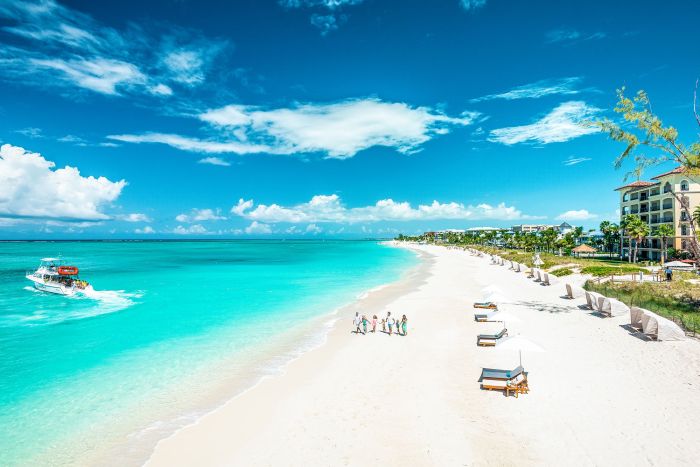
Planning a European getaway can be overwhelming, but utilizing pre-packaged vacation deals from reputable travel agencies simplifies the process significantly. These packages bundle flights and hotels, often including additional perks, offering a convenient and potentially cost-effective way to explore the continent. This section will compare different agencies, detail package components, and weigh the pros and cons of pre-packaged versus self-booked trips.
Comparison of European Vacation Packages from Major Travel Agencies
The prices, inclusions, and destinations offered by major travel agencies vary considerably. The following table compares three prominent agencies – Expedia, Booking.com, and Travelocity – based on sample packages for a 7-day trip in June. Note that prices fluctuate based on demand and specific dates. This is a comparative analysis based on observed data points at a specific time and is subject to change.
| Agency | Price Range (USD) | Typical Inclusions | Sample Destinations |
|---|---|---|---|
| Expedia | $1200 – $3000 | Round-trip flights, hotel accommodation (various star ratings), sometimes airport transfers | Paris, Rome, London, Barcelona |
| Booking.com | $1000 – $2800 | Hotel accommodation (wide range of options), often partnerships with flight providers for bundled deals, may include optional extras | Amsterdam, Prague, Dublin, Lisbon |
| Travelocity | $1100 – $2900 | Flights and hotel, occasionally includes car rentals or travel insurance options | Berlin, Vienna, Budapest, Madrid |
Typical Components of a European Vacation Package
Understanding the typical inclusions of a European vacation package is crucial for informed decision-making. These packages usually consist of several key elements that contribute to a seamless travel experience.
- Flights: Round-trip airfare from your departure city to a European airport.
- Hotel Accommodation: A pre-booked hotel stay for a specified number of nights, ranging from budget-friendly options to luxury hotels.
- Activities: Some packages include pre-booked tours, excursions, or entrance tickets to attractions. This is often an optional add-on.
- Transfers: Airport transfers to and from your hotel may be included, particularly in more comprehensive packages.
- Travel Insurance: Travel insurance is sometimes included, but it’s often an optional add-on for additional coverage.
Advantages and Disadvantages of Pre-Packaged vs. Self-Booked Vacations
Choosing between a pre-packaged vacation and booking flights and hotels separately involves weighing several factors. Each option has its own set of benefits and drawbacks.
- Pre-Packaged Vacations: Advantages: Convenience, often cost-effective (especially for first-time travelers or those with limited time for planning), bundled deals can offer discounts, simplified itinerary.
- Pre-Packaged Vacations: Disadvantages: Less flexibility in choosing specific flights and hotels, potentially limited options for activities, may not be suitable for travelers with specific needs or preferences.
- Self-Booked Vacations: Advantages: Greater flexibility in choosing flights, hotels, and activities, potential for better deals if booked strategically, more control over itinerary and travel style.
- Self-Booked Vacations: Disadvantages: Requires more time and effort for planning and booking, increased risk of errors or missed opportunities, can be more expensive if not planned carefully.
Popular European Destinations
Choosing the perfect European vacation can feel overwhelming with so many incredible options. This section highlights five popular destinations, offering a glimpse into their unique charms and helping you determine which best suits your travel style and budget. Understanding peak and off-peak seasons is crucial for planning your trip effectively and securing the best deals.
Popular European Destinations and Seasonal Impact on Pricing
| Destination | Description |
|---|---|
| Paris, France | The City of Lights offers iconic landmarks like the Eiffel Tower and Louvre Museum, alongside charming cafes, world-class fashion, and rich history. |
| Rome, Italy | Ancient ruins like the Colosseum and Roman Forum meet modern-day delights, including the Trevi Fountain, Vatican City, and delicious pasta. |
| Barcelona, Spain | Gaudi’s architectural masterpieces, vibrant nightlife, stunning beaches, and delicious tapas create a unique and exciting atmosphere. |
| London, England | From Buckingham Palace and the Tower of London to world-renowned museums and theatre, London offers a blend of history, culture, and modern excitement. |
| Amsterdam, Netherlands | Canals, charming houses, world-class museums (like the Rijksmuseum), and a relaxed atmosphere make Amsterdam a captivating destination. |
Peak season for these cities generally falls between June and August, coinciding with summer holidays in many European countries. Expect higher prices for flights and accommodation during this period. Off-peak seasons (typically November to March, excluding holiday periods) usually offer more affordable package deals, although some attractions may have reduced hours or be closed altogether. For example, a Paris package in July might cost significantly more than a similar package in November.
The difference can range from a few hundred to even thousands of dollars depending on the length of stay and the type of accommodation.
Example Vacation Package: Barcelona, Spain
This seven-day Barcelona package focuses on experiencing the city’s architectural wonders, vibrant culture, and delicious cuisine.
Activities:
- Guided tour of Sagrada Familia and Park Güell, showcasing Antoni Gaudí’s unique style.
- Walking tour of the Gothic Quarter, exploring its narrow streets and historical landmarks.
- Visit to the Picasso Museum, showcasing the artist’s early works.
- Relaxing afternoon on Barceloneta Beach.
- Tapas tour, sampling local delicacies and experiencing the city’s culinary scene.
- Flamenco show, enjoying the passionate music and dance.
Accommodation Options:
- Hotel Arts Barcelona: A luxurious five-star hotel with stunning sea views.
- Hotel Soho Barcelona: A stylish boutique hotel in the heart of the city.
- Airbnb Apartment: Offers a more local experience with a variety of options to choose from, depending on budget and preferences.
Travel Hacks for Europe
Planning a European vacation can be exciting, but managing costs effectively is crucial for a truly enjoyable trip. This section Artikels practical strategies to maximize your budget and minimize expenses, allowing you to experience more of what Europe offers. These tips combine smart planning with on-the-ground savvy, ensuring your trip remains within your financial comfort zone.
Money-Saving Travel Hacks
Careful budgeting is key to affordable European travel. Here are five practical hacks to significantly reduce your expenses:
- Travel during the shoulder season: Avoid peak tourist seasons (summer and major holidays) and opt for travel during spring or autumn. You’ll encounter fewer crowds, lower accommodation prices, and potentially better flight deals. For instance, visiting Paris in April or October offers a pleasant climate and lower prices compared to July.
- Utilize budget airlines and book flights in advance: Budget airlines like Ryanair and EasyJet often offer significantly cheaper flights than traditional carriers, especially if you book well in advance. Flexibility with your travel dates can also yield better fares. Booking several months in advance is usually recommended.
- Consider alternative accommodation: Hotels aren’t your only option. Explore Airbnb, hostels, or guesthouses for potentially cheaper and more unique accommodations. Hostels, in particular, offer budget-friendly dorm rooms and opportunities to meet fellow travelers.
- Embrace free activities: Many European cities boast incredible free attractions. Take advantage of free walking tours, explore parks and gardens, visit free museums on specific days, and enjoy the local atmosphere. Many cities offer free walking tours, providing a great introduction to the city’s history and culture.
- Eat like a local: Dining at tourist traps can be expensive. Venture away from major tourist areas and explore local markets and smaller restaurants for more authentic and affordable meals. Local markets often offer fresh produce and prepared foods at significantly lower prices than restaurants in tourist hubs.
Efficient Public Transportation Navigation
Efficiently using public transportation is essential for cost-effective and enjoyable travel in Europe. These tips will help you navigate the various systems with ease:
- Purchase travel passes: Many cities offer day, weekend, or multi-day passes for unlimited travel on public transport. These passes can be significantly cheaper than buying individual tickets, especially if you plan on using public transportation frequently. For example, a Paris Visite pass offers unlimited travel on the metro and bus within certain zones.
- Utilize mobile ticketing apps: Apps like Citymapper and Moovit provide real-time information on public transport schedules, routes, and potential disruptions. They also often allow you to purchase tickets directly through the app, eliminating the need to stand in line at ticket machines.
- Learn basic phrases: Knowing basic phrases related to public transport in the local language can be incredibly helpful, especially when asking for directions or assistance. Even simple phrases like “excuse me” and “where is the [train station/bus stop]” can make a big difference.
Avoiding Tourist Traps and Scams
Awareness of common tourist traps and scams can protect your money and your experience.
- Be wary of overly friendly strangers: While many Europeans are welcoming, be cautious of strangers who approach you unsolicited, especially if they offer unexpected assistance or engage in overly friendly conversation that leads to a sales pitch or a request for money. This is a common tactic used to distract tourists while pickpocketing occurs.
- Research prices beforehand: Before taking a taxi or tour, research the approximate cost online. This will help you avoid inflated prices and negotiate more effectively. Many websites and apps provide estimated taxi fares and tour prices.
- Protect your belongings: Pickpocketing is a common problem in crowded tourist areas. Keep your valuables close, use secure bags, and be aware of your surroundings. Using a money belt or a hidden pocket can help prevent theft.
Travel Insurance for European Trips
Planning a European vacation is exciting, filled with dreams of historical sites, charming villages, and delicious cuisine. However, unforeseen circumstances can quickly dampen the spirits and significantly impact your trip. This is where travel insurance steps in, providing a crucial safety net for your investment and peace of mind. Securing comprehensive travel insurance before you depart is a wise decision that can protect you from unexpected financial burdens and allow you to focus on enjoying your European adventure.Travel insurance offers various levels of protection, catering to different needs and budgets.
Understanding the types of coverage available is vital in making an informed choice.
Types of Travel Insurance Coverage
Choosing the right travel insurance policy requires careful consideration of the various types of coverage. Different policies offer varying levels of protection, and understanding these differences is crucial for securing adequate coverage.
- Medical Expenses: This covers medical emergencies, hospital stays, and evacuations, which can be exceptionally costly in Europe. For example, a simple broken bone could lead to thousands of dollars in medical bills. Comprehensive medical coverage ensures you receive necessary treatment without facing overwhelming financial strain.
- Baggage Loss or Delay: This covers the cost of replacing lost or stolen luggage, as well as the expenses incurred due to delayed baggage. Think about the inconvenience and cost of replacing essential items like clothing, medications, or electronics if your luggage is lost. This coverage can significantly ease the burden of such situations.
- Trip Cancellation or Interruption: Unexpected events, such as severe weather, family emergencies, or illness, can force you to cancel or cut short your trip. Trip cancellation insurance reimburses you for non-refundable expenses, like flights and accommodations, while trip interruption insurance covers additional costs associated with getting home or continuing your trip.
- Emergency Assistance Services: Many policies include 24/7 access to emergency assistance services. This can provide invaluable support in emergencies, helping with things like medical referrals, lost passport assistance, and even arranging emergency travel arrangements.
- Other Coverages: Some policies offer additional coverage, such as rental car insurance, personal liability protection, or coverage for lost or stolen valuables. The specific additional coverages will vary depending on the policy and provider.
Factors to Consider When Choosing Travel Insurance
Several key factors should guide your decision when selecting a travel insurance policy. These considerations will help you choose a policy that adequately protects you and your investment.
- Trip Cost: The value of your trip, including flights, accommodation, and planned activities, should influence the level of coverage you choose. A more expensive trip may warrant a policy with higher coverage limits.
- Pre-existing Medical Conditions: If you have pre-existing medical conditions, you need to disclose this information to the insurer. Some policies may exclude coverage for pre-existing conditions, while others may offer limited coverage with additional premiums. It is crucial to find a policy that addresses your specific health needs.
- Activity Level: If you plan on engaging in adventurous activities like skiing, hiking, or scuba diving, ensure your policy covers these activities. Standard policies may exclude or limit coverage for high-risk activities.
- Policy Exclusions: Carefully review the policy’s exclusions to understand what is not covered. Many policies exclude coverage for certain activities, pre-existing conditions, or events that are considered foreseeable.
- Customer Reviews and Ratings: Research different insurance providers and check customer reviews and ratings before making a decision. This can provide valuable insights into the insurer’s claims process and customer service.
Travel Photography in Europe
Europe, with its rich history and diverse landscapes, offers countless opportunities for breathtaking travel photography. From iconic landmarks to charming hidden corners, capturing the essence of this continent requires understanding light, composition, and perspective. This section will explore effective techniques for photographing European landmarks and enhancing your smartphone travel photos through editing.
Iconic European Landmarks and Effective Photography Techniques
Photographing iconic landmarks requires a strategic approach to lighting, composition, and perspective to create impactful images. Consider these factors to elevate your photography.
- Eiffel Tower, Paris: The Eiffel Tower’s grandeur is best captured during the golden hour (sunrise or sunset) for warm, soft light that minimizes harsh shadows. Experiment with different perspectives, such as shooting from across the Seine River for a wider, more dramatic view, or finding a unique angle from a nearby park or bridge to add context. Avoid midday shooting as the harsh sunlight can wash out details.
- Colosseum, Rome: The Colosseum’s imposing structure benefits from low-angle shots emphasizing its height and scale. Early morning or late afternoon light casts long shadows, adding depth and drama. Consider using a wide-angle lens to capture the entire structure, or a telephoto lens to focus on specific details like the arches and stonework. Avoid shooting directly into the sun, which can create lens flare.
- Neuschwanstein Castle, Germany: This fairytale castle is stunning from various viewpoints. The best light is during the golden hour, illuminating the castle against the surrounding alpine scenery. Use a wide-angle lens to capture the castle’s grandeur along with the landscape, or a telephoto lens to zoom in on architectural details. Consider using a tripod for sharp images, especially in low light.
- Sagrada Familia, Barcelona: Gaudi’s masterpiece is a feast for the eyes, and its intricate details require careful consideration of perspective and composition. The intricate facade benefits from close-up shots, highlighting its architectural details. A wide-angle shot can capture the entire structure and its surroundings. Use a polarizing filter to reduce glare and enhance the colors of the stonework.
The best time to shoot is during the golden hour, or on a slightly overcast day for even lighting.
- Big Ben and Houses of Parliament, London: The iconic clock tower and the Houses of Parliament offer various photographic opportunities. Shoot from across the Thames River for a classic view, incorporating the reflections in the water. A long exposure can blur the movement of traffic, creating a sense of stillness. The best time to shoot is during the blue hour (twilight), when the sky provides a beautiful backdrop.
Experiment with different perspectives to highlight the architectural details and the surrounding environment.
Capturing Stunning Travel Photos Using a Smartphone
Smartphones have revolutionized travel photography. By understanding a few key techniques, you can significantly improve the quality of your images.
Utilize natural light whenever possible, avoiding harsh midday sun. Explore different angles and perspectives; get down low or climb up high to find unique viewpoints. Clean your phone’s lens before shooting. Use the gridlines on your phone’s camera to ensure proper composition. Edit your photos using editing apps to enhance colors and brightness.
Experiment with different camera modes, such as portrait mode for depth of field.
Editing Travel Photos to Enhance Visual Appeal
Post-processing can significantly enhance the visual appeal of your travel photos. Several editing techniques can transform ordinary snapshots into stunning images.
Basic Adjustments: Begin with basic adjustments like brightness, contrast, and saturation. Slightly increase saturation to make colors more vibrant, but avoid oversaturation, which can make images look unnatural. Adjust the brightness and contrast to optimize the overall exposure and tonal range. Use the highlight and shadow sliders to recover detail in overexposed and underexposed areas.
Color Grading: Color grading involves adjusting the overall color tone and mood of your image. You can use presets or manually adjust the white balance, temperature, and tint to achieve the desired effect. A warmer tone can create a cozy atmosphere, while a cooler tone can evoke a more serene feeling.
Cropping and Straightening: Cropping can improve composition by removing distracting elements and focusing attention on the subject. Straightening the horizon line is crucial for creating a balanced and professional-looking image. Many editing apps offer automatic horizon straightening tools.
Sharpening and Noise Reduction: Sharpening enhances the details and clarity of your image, while noise reduction minimizes graininess, especially in low-light photos. Use these tools sparingly to avoid over-sharpening or unnatural smoothing.
Ultimately, planning your European vacation involves careful consideration of your budget, travel style, and desired experiences. By weighing the advantages and disadvantages of pre-packaged deals versus independent bookings, understanding peak and off-peak seasons, and employing smart travel hacks, you can create a personalized itinerary that maximizes enjoyment while minimizing stress. Remember to prioritize travel insurance and visa requirements, and embrace the opportunity to immerse yourself in the rich culture and diverse landscapes of Europe.
Essential FAQs
What is the best time to visit Europe for budget travel?
Shoulder seasons (spring and autumn) generally offer lower prices and fewer crowds than peak summer months.
How can I find the best flight deals to Europe?
Use flight comparison websites, be flexible with your travel dates, and consider flying into smaller airports.
What type of travel insurance is essential for Europe?
Comprehensive travel insurance covering medical emergencies, lost luggage, and trip cancellations is highly recommended.
Do I need a visa to visit Europe?
Visa requirements vary depending on your nationality. Check the specific requirements for your country of citizenship and the European countries you plan to visit.
What are some good resources for planning a European itinerary?
Websites like TripAdvisor, Lonely Planet, and Rick Steves’ Europe offer valuable planning resources and destination guides.


