Securing a Japanese business visa requires meticulous preparation. Understanding the specific documentation needed, depending on the nature and duration of your business trip, is crucial for a smooth and successful application process. This guide clarifies the essential documents, offering insights into the Certificate of Eligibility (COE) and providing tips for a streamlined application.
Navigating the complexities of Japanese visa requirements can be daunting. This guide aims to simplify the process by providing a comprehensive list of necessary documents, along with explanations and helpful tips. Whether you’re embarking on a short business trip or a longer assignment, we’ll cover the specific requirements and address common concerns to ensure your application is well-prepared.
Japan Business Visa Requirements
Securing a Japanese business visa requires careful preparation and a thorough understanding of the necessary documentation. The specific requirements can vary depending on the purpose and duration of your business trip. This section details the essential documents, explains the differences based on trip type, and guides you through the Certificate of Eligibility (COE) process and visa application form completion.
Essential Documents for a Japanese Business Visa Application
The following table Artikels the essential documents typically required for a Japanese business visa application. Remember that individual circumstances may necessitate additional documentation. Always check the latest requirements with the Japanese embassy or consulate in your country of residence.
| Document Type | Required Information | Where to Obtain | Notes/Tips |
|---|---|---|---|
| Valid Passport | At least six months validity remaining beyond your intended stay in Japan. | Your government’s passport issuing authority. | Ensure your passport has enough blank pages for visa stamps. |
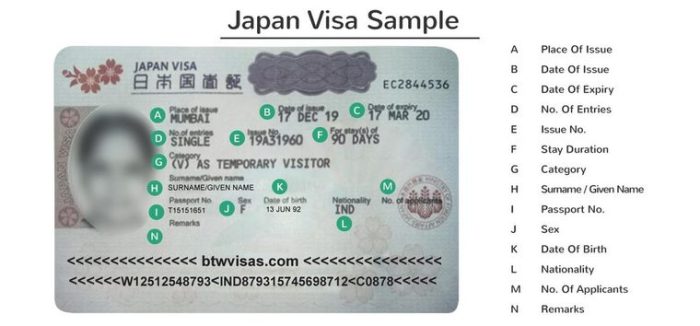
| Visa Application Form | Completed accurately and truthfully, with all necessary signatures. | Japanese embassy or consulate website. | Pay close attention to each section; inaccuracies can lead to delays or rejection. |
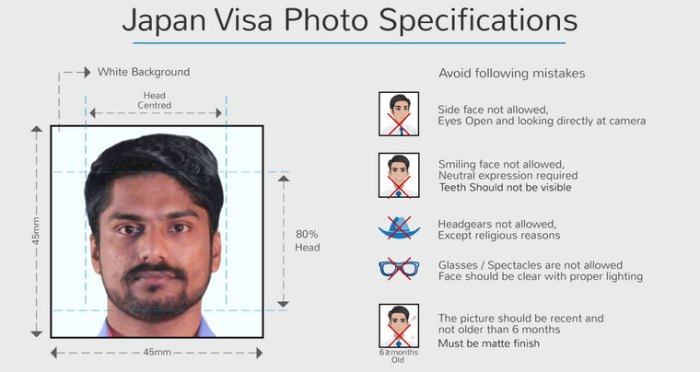
| Passport-Sized Photographs | Recent, high-quality photos meeting specific size and background requirements (check embassy website). | Professional photography studio. | Avoid wearing glasses if possible, and ensure the photo is clear and well-lit. |
| Invitation Letter from Japanese Company/Organization | Details of the business purpose, duration of stay, and financial responsibility. Should include the inviting company’s contact information. | Your business partner in Japan. | This letter is crucial and must be detailed and official. |
| Proof of Employment/Business Ownership | Letter from your employer confirming your position, salary, and leave approval, or business registration documents if self-employed. | Your employer or relevant business registration authority. | This demonstrates your ties to your home country and ability to return. |
| Proof of Financial Resources | Bank statements, proof of sufficient funds to cover your expenses in Japan. | Your bank. | Demonstrates your ability to support yourself during your stay. |
| Travel Itinerary | Proposed schedule of your business activities in Japan. | Self-prepared. | Provides a clear overview of your planned activities. |
| Certificate of Eligibility (COE) (For longer stays) | Issued by the Japanese Immigration Bureau. | The Japanese Immigration Bureau (through your Japanese sponsor). | Essential for long-term business visas. See details below. |
Differences in Required Documents Based on Business Activity
The requirements vary depending on the type of business activity. Short-term business trips generally require less extensive documentation than long-term assignments. For example, a short business trip might only need an invitation letter, proof of employment, and financial resources, while a long-term assignment necessitates a COE and potentially more detailed financial documentation.
Obtaining a Certificate of Eligibility (COE)
The COE is a crucial document for longer stays in Japan. It’s issued by the Japanese Immigration Bureau after your Japanese sponsor completes the application process. The sponsor, usually the Japanese company employing or hosting you, needs to submit various documents to the Immigration Bureau, including proof of their business legitimacy and their ability to support your stay in Japan.
The COE process can take several weeks or even months, so begin this well in advance of your intended travel date. Once issued, the COE allows you to apply for your visa at the Japanese embassy or consulate in your home country.
Completing the Visa Application Form
Accurately completing the visa application form is paramount. Follow these steps:
- Download the form from the Japanese embassy or consulate website in your country.
- Read the instructions carefully before filling out the form.
- Provide accurate and truthful information in all sections.
- Use a black pen and print clearly.
- Sign the form in the designated area.
- Double-check for any errors or omissions before submitting.
Supporting Documents for Business Visa
Obtaining a Japanese business visa requires meticulous preparation and the submission of comprehensive supporting documentation. These documents serve as evidence to support your claims and demonstrate your eligibility for the visa. The Japanese immigration authorities scrutinize these documents carefully to assess the legitimacy of your business trip and your intentions. Failing to provide complete and accurate documentation can lead to visa delays or rejection.
Business Invitation Letter
A formal business invitation letter from a Japanese company is a cornerstone of your application. This letter serves as crucial evidence confirming the purpose of your visit and the legitimacy of your business dealings in Japan. It should explicitly state the reason for your visit, the duration of your stay, and the nature of your business activities. Key elements to include are the inviting company’s details (registered address, contact information, and official stamp), your personal details, the dates of your planned visit, a detailed description of the business activities you will undertake, and a confirmation of the company’s commitment to covering your expenses during your stay, or at least a clear indication of who will bear those costs.
The letter should be written on official company letterhead and signed by an authorized representative. A poorly written or incomplete invitation letter can significantly weaken your application.
Bank Statements and Financial Documents
Providing comprehensive bank statements and financial documents demonstrates your financial stability and ability to support yourself during your stay in Japan. This assures the immigration authorities that you have sufficient funds to cover your expenses without needing to work illegally in Japan. Acceptable documentation includes bank statements from the past six months, showing a consistent flow of funds, tax returns (for the past two years ideally), proof of employment income (such as payslips), and any other relevant documents that showcase your financial standing.
The total amount shown in your financial documents should align with the length of your stay and the estimated cost of your trip. For self-employed individuals, additional documentation, such as business registration documents and profit and loss statements, may be necessary.
Proof of Employment
To substantiate your claim of a legitimate business purpose, providing verifiable proof of your employment is vital. This demonstrates that you have a position to return to after your business trip to Japan. Acceptable forms of proof include a current employment contract clearly outlining your position, responsibilities, and salary; recent payslips reflecting your current income; a letter from your employer confirming your employment, the purpose of your trip, and your guaranteed return to your position; and a certificate of employment summarizing your employment history.
The clarity and authenticity of these documents are crucial for a successful visa application. The provided documentation should accurately reflect your current employment status and align with the information provided in other application materials.
Travel Itinerary and Accommodation Bookings
A detailed travel itinerary and confirmed accommodation bookings provide evidence of your planned trip and solidify your intentions. The itinerary should Artikel your arrival and departure dates, flight details (including booking confirmation numbers), and a day-by-day schedule of your business activities in Japan. Confirmed accommodation bookings, such as hotel reservations or Airbnb confirmations, are necessary to demonstrate that you have secured lodging for the duration of your stay.
This demonstrates responsible planning and reinforces the seriousness of your business trip. The itinerary should be comprehensive and accurately reflect your planned activities, aligning with the information provided in your invitation letter and other supporting documents.
Travel Hacks for Japan
Planning a trip to Japan can be exciting, but managing costs effectively is key to a truly enjoyable experience. This section provides practical strategies for budget-conscious travelers, focusing on saving money and navigating the country’s efficient public transportation system. We’ll also Artikel a sample itinerary for a cost-effective day trip to a specific Japanese city.
Money-Saving Travel Hacks in Japan
Budget travel in Japan is achievable with careful planning. Prioritizing certain aspects of your trip can significantly reduce overall expenses. The following hacks offer practical ways to save money without compromising the quality of your experience.
- Utilize Japan Rail Pass strategically: The JR Pass offers unlimited travel on JR lines, but its cost-effectiveness depends on your itinerary. Calculate the cost of individual tickets versus the pass before purchasing. For example, if your travel is primarily concentrated in one region, a regional JR Pass might be more economical.
- Embrace convenience stores (konbini): Konbini like 7-Eleven, FamilyMart, and Lawson offer affordable and convenient meals, snacks, and drinks. This can save significantly on restaurant costs, especially for breakfast and lunch.
- Take advantage of free activities: Japan offers many free attractions, including beautiful parks, temples (excluding entrance fees to specific halls or gardens), and shrines. Research free activities in advance to maximize your sightseeing while minimizing costs.
- Utilize Pocket WiFi: Renting a pocket WiFi device is significantly cheaper than relying on international roaming charges for data. This allows for easy navigation using maps and online resources.
- Consider off-season travel: Traveling during the shoulder seasons (spring and autumn) or off-peak times generally results in lower accommodation and flight costs. While popular spots might be slightly less crowded during off-peak seasons, you can still enjoy a rewarding experience without the higher prices of peak seasons.
Efficient Public Transportation Navigation in Japan
Japan boasts an incredibly efficient and extensive public transportation system. Mastering its navigation can save you time and money.
- Purchase an ICOCA or Suica card: These rechargeable cards work on most trains and buses, eliminating the need to purchase individual tickets and offering seamless travel. They often provide discounts and faster access to platforms.
- Utilize navigation apps: Apps like HyperDia or Google Maps are invaluable for planning routes, checking schedules, and finding the best connections between destinations. These apps often provide real-time updates on delays and disruptions.
- Learn basic Japanese phrases: Knowing simple phrases like “Sumimasen” (excuse me) and “Arigato” (thank you) can enhance your interactions with locals and make navigating the system smoother. Understanding basic station announcements can also be very helpful.
One-Day Itinerary: Exploring Kyoto on a Budget
Kyoto, a city rich in history and culture, offers a multitude of experiences without breaking the bank. This itinerary focuses on maximizing your time and minimizing expenses.
Morning: Begin your day with a visit to Fushimi Inari Shrine, famous for its thousands of vibrant red torii gates. The hike through the gates is free, though some smaller shrines within the complex may have small entrance fees. Pack your own lunch or grab affordable snacks from a konbini to save on food costs.
Afternoon: Explore the enchanting Arashiyama Bamboo Grove, a breathtaking natural wonder. Enjoy a leisurely stroll through the grove (entrance is free). Afterwards, consider visiting Tenryu-ji Temple, but be aware of potential entrance fees. You might choose to skip the temple to allocate more time to the bamboo grove and other free activities.
Evening: Conclude your day with a walk along the Kamogawa River, enjoying the peaceful atmosphere. Find a local restaurant outside of the main tourist areas for a more affordable dinner. Alternatively, enjoy a final snack from a konbini before heading back to your accommodation.
Travel Insurance and its Importance
Securing comprehensive travel insurance is crucial for any business trip, particularly to a country like Japan. Unexpected events can significantly disrupt a business trip, leading to substantial financial losses and complications. A robust insurance policy acts as a safety net, mitigating these risks and providing peace of mind.The benefits of travel insurance extend far beyond covering medical emergencies.
It offers protection against a wide range of unforeseen circumstances that can impact your trip and your business objectives. For example, consider the scenario of a missed flight due to an unforeseen weather event, or the need for emergency medical evacuation. These situations can quickly become costly without adequate insurance coverage. Furthermore, insurance can cover lost or stolen belongings, including valuable business equipment, ensuring minimal disruption to your work.
Trip cancellations due to illness or unforeseen circumstances are also covered, preventing significant financial losses from non-refundable bookings.
Types of Travel Insurance Policies
Travel insurance policies vary significantly in their coverage and cost. Broadly, policies can be categorized as basic, standard, and premium, each offering different levels of protection. Basic policies typically cover only essential aspects like medical emergencies and trip cancellations, whereas standard policies offer broader coverage, including lost luggage and personal liability. Premium policies provide the most comprehensive protection, often including higher coverage limits, emergency medical evacuation, and potentially even business interruption insurance.
The choice of policy depends largely on the individual’s needs and the nature of the business trip. For instance, a trip involving extensive travel and valuable equipment would necessitate a more comprehensive policy compared to a shorter, less demanding trip.
Checklist for Selecting Travel Insurance
Before purchasing a policy, carefully consider several key factors. First, assess the level of coverage needed based on the duration and nature of your trip. Consider the value of any equipment you’ll be carrying and the potential costs associated with medical emergencies in Japan. Next, compare policies from different providers, paying close attention to the specific inclusions and exclusions.
Ensure the policy covers medical expenses, trip cancellations, lost luggage, and any other potential risks relevant to your business trip. Check the policy’s geographical coverage to confirm it extends to Japan. Finally, review the claims process and customer service reputation of the provider. A straightforward claims process can be crucial in a stressful situation. Confirm the limits of coverage and whether there are any pre-existing conditions exclusions that might affect your eligibility.
Read the policy document carefully before committing to purchase.
Travel Photography in Japan
Japan, a land of striking contrasts and ancient traditions, offers unparalleled photographic opportunities. From bustling cityscapes to serene natural landscapes, the country is a photographer’s dream. Capturing the essence of Japan through your lens requires understanding the best locations, times of day, and techniques to create truly memorable images.
Iconic Locations for Travel Photography in Japan
Five iconic locations stand out for their photographic potential. Choosing the right time of day significantly impacts the quality of your photographs, influencing light, shadows, and the overall mood.
- Mount Fuji: Best photographed during sunrise or sunset. The soft, golden light illuminates the mountain’s peak beautifully, creating a majestic silhouette against the sky. Early morning often provides clearer views, minimizing atmospheric haze.
- Fushimi Inari Shrine (Kyoto): The thousands of vibrant red torii gates winding up the mountain create a visually stunning and dramatic scene. Mid-day light can be harsh, so early morning or late afternoon offer softer, more even illumination, enhancing the richness of the red.
- Bamboo Forest (Arashiyama, Kyoto): The towering bamboo stalks create a mystical atmosphere. The dappled light filtering through the bamboo creates beautiful patterns on the forest floor. Mid-day light can be too bright, so aim for soft light during the golden hours (sunrise and sunset) for a more ethereal effect.
- Hiroshima Peace Memorial Park: A poignant and powerful location, best photographed during the softer light of dawn or dusk. The somber atmosphere is enhanced by the subtle lighting, allowing the viewer to connect more deeply with the history of the site. Avoid harsh midday sun, which can detract from the contemplative mood.
- Shibuya Crossing (Tokyo): The world’s busiest intersection offers chaotic energy. The best time to photograph this iconic scene is during the day, when the crossing is at its most vibrant. A slightly elevated vantage point allows you to capture the sheer scale and movement of the crowds.
Capturing Unique and Memorable Photographs in Japan
Beyond iconic landmarks, Japan offers countless opportunities to capture unique and culturally rich images. Incorporating local elements and traditions into your photographs adds depth and authenticity.
Consider focusing on details: a close-up of intricately designed kimono fabric, the delicate brushstrokes of calligraphy, the serene expression of a Buddhist monk, or the bustling activity within a traditional market. These smaller details often tell a more compelling story than grand vistas alone. Seek out candid moments of everyday life, capturing the genuine spirit of Japanese culture.
Interact respectfully with locals and always ask for permission before photographing individuals.
Leading Lines in Japanese Landscape Photography
Leading lines are compositional elements that draw the viewer’s eye through the image to a focal point. They create depth and visual interest.
Imagine a photograph of a long, straight road leading towards Mount Fuji. The road acts as a leading line, guiding the viewer’s gaze from the foreground towards the majestic mountain in the distance. The converging lines of the road emphasize the mountain’s grandeur and create a sense of scale and perspective. Similarly, a river winding through a rice paddy or a railway track disappearing into the distance can effectively utilize leading lines to enhance the composition of your photographs.
Travel Tips for Japan
Navigating a business trip to Japan requires more than just knowing your itinerary; it necessitates understanding and respecting Japanese culture to foster positive professional relationships and ensure a smooth experience. This section provides essential travel tips to help you navigate cultural nuances and make a strong impression.Successfully conducting business in Japan often hinges on demonstrating cultural sensitivity. Paying attention to even seemingly small details can significantly impact your interactions and overall trip success.
These tips focus on practical advice that will allow you to confidently approach your business dealings while respecting Japanese customs.
Essential Travel Tips for a Smooth Business Trip
Prioritizing punctuality is paramount in Japanese business culture. Being late, even by a few minutes, can be viewed as disrespectful. Factor in potential travel delays and always aim to arrive at meetings at least 15 minutes early. Similarly, exchanging business cards with both hands and taking a moment to carefully examine the card received demonstrates respect for the individual and their company.
Public transportation is highly efficient, and utilizing it shows awareness of Japanese customs. Finally, mastering basic Japanese phrases can significantly improve interactions and demonstrate your effort to engage with the local culture.
Useful Japanese Phrases for Business Travelers
Learning even a few basic Japanese phrases can significantly enhance your business interactions. While fluency isn’t expected, demonstrating an effort to communicate in Japanese is highly appreciated.
- Hajimemashite (はじめまして): Hello (when meeting someone for the first time)
- Sumimasen (すみません): Excuse me/I’m sorry
- Arigatou gozaimasu (ありがとうございます): Thank you very much
- Onegai shimasu (お願いします): Please (a versatile phrase used in many situations)
- Eigo o hanasemasu ka? (英語を話せますか?): Do you speak English?
- Wakarimasen (分かりません): I don’t understand
- Yoroshiku onegaishimasu (よろしくお願いします): Pleased to meet you/I look forward to working with you (often used at the beginning of a business meeting)
Effective Communication with Japanese Business Partners
Effective communication in a Japanese business context goes beyond simply exchanging information; it involves building trust and rapport.
- Prioritize building relationships: Japanese business culture emphasizes building strong relationships before diving into negotiations. Take the time to get to know your counterparts personally and build trust through informal interactions. This might involve shared meals or casual conversation before discussing business matters.
- Be indirect and avoid confrontation: Direct confrontation is generally avoided in Japanese business settings. Instead, focus on indirect communication, expressing your points subtly and respectfully. Consider using polite language and framing your requests as suggestions rather than demands.
- Pay close attention to non-verbal cues: Japanese communication relies heavily on non-verbal cues such as body language and tone of voice. Observe your counterparts carefully, paying attention to their expressions and gestures to ensure you understand the unspoken messages being conveyed. For instance, silence during a meeting doesn’t necessarily indicate disagreement; it could simply be a sign of thoughtful consideration.
Successfully obtaining a Japanese business visa hinges on providing a complete and accurate application. By understanding the specific document requirements based on your trip’s purpose and duration, and by carefully preparing all supporting materials, you significantly increase your chances of approval. Remember to allow ample processing time and address any queries promptly. With thorough preparation, your business trip to Japan can proceed without unnecessary delays.
FAQ
What if my invitation letter is not in Japanese?
While a Japanese-language invitation is preferred, a well-translated English version with official company letterhead is often acceptable. Consider including a certified translation if unsure.
How long does the visa application process typically take?
Processing times vary, but it’s advisable to apply several weeks or even months before your intended travel date to account for potential delays.
Can I apply for a business visa if I’m self-employed?
Yes, but you’ll need to provide comprehensive documentation proving your business’s legitimacy and your financial stability, such as business registration documents and tax returns.
What happens if my visa application is rejected?
Reasons for rejection vary. You will typically receive notification explaining the reason. You can reapply, addressing the identified issues.


