
The fintech landscape is rapidly evolving, attracting significant venture capital investment. 2024 promises to be another pivotal year, shaped by technological advancements, regulatory shifts, and evolving investor strategies. Understanding the key trends is crucial for both startups seeking funding and investors seeking high-growth opportunities. This exploration delves into the leading investment areas, the impact of regulatory changes, and the potential of emerging technologies within the fintech sector.
From embedded finance’s disruptive potential to the transformative power of AI and the global variations in investment strategies, we’ll analyze the factors driving venture capital decisions. We’ll also examine the specific challenges and opportunities presented by different geographic regions and industry verticals, providing insights into the future of fintech funding and the key players shaping its trajectory.
Emerging Fintech Technologies and VC Interest
Venture capital investment in fintech continues to surge, with a significant portion flowing into startups leveraging emerging technologies. These technologies promise to revolutionize financial services, creating new opportunities for both investors and consumers. However, the inherent risks associated with these nascent technologies must also be carefully considered.
The most promising emerging technologies attracting significant VC interest are reshaping the financial landscape. Blockchain, with its decentralized and secure nature, underpins many innovative solutions. Web3, building on blockchain, aims to create a more user-centric and transparent internet for financial services. Decentralized finance (DeFi) leverages blockchain to offer alternative financial services, bypassing traditional intermediaries. These technologies are attracting substantial investment due to their potential to increase efficiency, reduce costs, and enhance security within the financial sector.
Potential Risks and Rewards of Investing in Emerging Fintech Technologies
Investing in startups employing these technologies presents both substantial rewards and considerable risks. A careful assessment of both sides is crucial for informed decision-making.
- Rewards: Early investment in successful blockchain, Web3, or DeFi startups can yield exceptionally high returns due to the potential for rapid market adoption and growth. The innovative nature of these technologies often creates entirely new markets and opportunities.
- Rewards: Disruptive potential: These technologies can fundamentally alter established financial models, leading to significant market share gains for early adopters.
- Risks: Regulatory uncertainty: The regulatory landscape for these technologies is still evolving, creating uncertainty and potential for regulatory hurdles that could stifle growth or even lead to legal challenges.
- Risks: Technological risks: These are relatively new technologies, and unforeseen technical challenges or vulnerabilities could impact the success of startups.
- Risks: Market volatility: The markets for these technologies are often highly volatile, making investment riskier than in more established sectors. For example, the cryptocurrency market’s price fluctuations directly impact DeFi startups.
- Risks: Scalability issues: Some of these technologies face scalability challenges, which could limit their widespread adoption and impact the growth of related startups.
Comparative Analysis of Venture Capital Investment in Emerging Fintech Technologies
The following table provides a comparative overview of venture capital investment across different emerging fintech technologies. Note that precise figures are difficult to obtain and vary depending on the data source and definitions used. The table offers a general comparison rather than exact figures.
| Technology | Investment Volume (Illustrative, in Billions USD) | Growth Potential | Challenges |
|---|---|---|---|
| Blockchain | 5-10 | High – potential for widespread adoption across various financial services | Regulatory uncertainty, scalability limitations, competition from other technologies |
| Web3 | 2-5 | High – potential to redefine user interaction with financial services | User adoption, security concerns, integration with existing systems |
| DeFi | 3-7 | Medium-High – potential for disrupting traditional financial intermediaries | Regulatory risks, security vulnerabilities, scalability issues, user experience |
Global Fintech Investment Trends
Venture capital investment in fintech is a dynamic and geographically dispersed phenomenon, with significant variations in activity across different regions. Understanding these regional differences is crucial for both investors and fintech startups seeking to navigate the global landscape. Factors such as regulatory environments, market maturity, technological infrastructure, and geopolitical events all play a significant role in shaping investment patterns.
Regional Variations in Fintech Investment
The following table compares and contrasts venture capital investment in fintech across North America, Asia, Europe, and other regions. While precise figures fluctuate constantly, this provides a snapshot of relative investment levels and focuses. Note that “Other” includes regions like Latin America, Africa, and the Middle East, which are experiencing increasing but less consistently tracked investment.
| Region | Investment Level (Relative) | Investment Focus | Key Factors |
|---|---|---|---|
| North America | High | Payments, Insurtech, Lending, WealthTech | Established market, strong regulatory framework (with ongoing evolution), large pool of talent and capital. |
| Asia (particularly China & India) | Very High | Mobile payments, digital lending, Buy Now Pay Later (BNPL), Insurtech | Massive populations with increasing smartphone penetration, supportive government initiatives in certain areas, rapid technological adoption. |
| Europe | High | Open banking, embedded finance, sustainable finance, regtech | Strong regulatory frameworks (e.g., PSD2), growing adoption of open banking APIs, increasing focus on sustainable finance. |
| Other | Growing | Diverse, often focused on addressing local needs (e.g., mobile money in Africa, financial inclusion initiatives in Latin America) | High growth potential, increasing digitalization, specific regulatory developments and opportunities. |
Factors Driving Regional Variations
Several factors contribute to the observed regional variations in fintech investment. These include differences in market size and maturity, regulatory environments, technological infrastructure, and the availability of talent and capital. For instance, North America’s established fintech ecosystem benefits from a large, mature market and a robust regulatory framework (although constantly evolving and debated), attracting substantial investment. Asia, particularly China and India, exhibits exceptionally high investment due to its enormous populations and rapid digital adoption, leading to massive potential for mobile payments and digital financial services.
Conversely, Europe’s relatively strong regulatory framework, particularly around open banking, fosters innovation in areas like embedded finance and regtech, attracting considerable investment but perhaps less volume than in Asia. The “Other” category showcases the varied opportunities presented by emerging markets, where fintech solutions often address unique local needs and challenges, though often with less readily available capital and established infrastructure.
Geopolitical Influences on Global Fintech Investment
Geopolitical factors significantly impact venture capital decisions in the global fintech landscape. For example, escalating trade tensions between the US and China can influence investment flows, potentially diverting capital from one region to another. Regulatory changes, such as the introduction of stricter data privacy regulations in Europe (GDPR) or new licensing requirements in specific countries, can also shape investment strategies.
Similarly, political instability or uncertainty in a particular region might deter investors, while government initiatives promoting fintech innovation can attract significant investment. The ongoing global economic uncertainty and concerns around inflation are also impacting venture capital investment decisions across the board, leading to more selective investment strategies and a focus on profitability and sustainability. Examples include the decreased investment in certain BNPL companies due to increased interest rates globally.
The Role of Fintech in Specific Industries
Fintech’s transformative impact is not uniform across all sectors. While its influence is widespread, certain industries experience a more profound shift due to their specific needs and existing infrastructure. Analyzing the fintech penetration in a specific industry reveals both the opportunities and the challenges inherent in leveraging technology for financial innovation. This section will focus on the healthcare industry, examining its unique interaction with fintech solutions.Fintech’s Influence on HealthcareHealthcare, traditionally characterized by complex billing systems, fragmented data, and high administrative costs, is ripe for disruption by fintech.
The industry’s inherent need for secure data management, efficient payment processing, and improved patient access presents a fertile ground for innovative solutions. The integration of fintech is leading to improved operational efficiency, enhanced patient experience, and ultimately, better healthcare outcomes.
Healthcare Fintech Startups and Funding
Several startups are addressing specific pain points within the healthcare system. For example, companies focusing on revenue cycle management (RCM) utilize AI and automation to streamline billing and claims processing, significantly reducing administrative overhead for healthcare providers. These solutions often involve sophisticated data analytics to predict and manage cash flow. Companies like Cedar (which secured significant funding from prominent VC firms) are examples of successful RCM fintechs.
Other startups focus on patient financing, offering flexible payment options to reduce the financial burden of healthcare costs on patients. These platforms often integrate with existing Electronic Health Record (EHR) systems to provide a seamless patient experience. The funding secured by these startups reflects the significant investor interest in improving healthcare accessibility and affordability.
Challenges and Opportunities for Healthcare Fintech Startups
The healthcare industry presents both significant opportunities and unique challenges for fintech startups. Successfully navigating this landscape requires a deep understanding of regulatory compliance, data security, and the complex dynamics of the healthcare ecosystem.
- Regulatory Compliance: Healthcare data is strictly regulated under HIPAA and other laws, requiring robust security measures and adherence to stringent privacy standards. This necessitates significant investment in compliance infrastructure and expertise.
- Data Security and Privacy: Protecting sensitive patient data is paramount. Cybersecurity breaches can have devastating consequences, impacting patient trust and potentially leading to significant financial penalties.
- Integration with Existing Systems: Integrating fintech solutions with legacy EHR systems and other healthcare IT infrastructure can be complex and time-consuming, requiring significant technical expertise.
- Market Access and Adoption: Gaining traction within the healthcare industry requires navigating established relationships between providers, payers, and patients. Building trust and demonstrating value is crucial for widespread adoption.
- Return on Investment (ROI): Demonstrating a clear and measurable ROI to investors is crucial, particularly given the significant upfront investment required for compliance and integration.
The Future of Fintech in Healthcare
The future of fintech in healthcare points towards increased integration of AI and machine learning for predictive analytics, personalized medicine, and proactive healthcare management. We can expect to see further development of solutions addressing patient engagement, remote monitoring, and telemedicine. The convergence of fintech and healthcare will likely lead to more efficient, accessible, and affordable healthcare for all.
For instance, blockchain technology holds promise for improving data security and interoperability, while AI-powered diagnostic tools could revolutionize healthcare delivery. This convergence will continue to attract significant investment as the industry strives for improved efficiency and patient outcomes.
Venture Capital Strategies in Fintech
Venture capital (VC) firms play a crucial role in fueling the growth of fintech startups. Their investment strategies vary depending on the stage of the startup’s development and the VC firm’s overall investment thesis. Understanding these strategies is key to comprehending the dynamics of the fintech investment landscape.VC investment in fintech follows a typical progression, mirroring the lifecycle of a company.
Early-stage investments focus on validating the business model and establishing a foothold in the market, while later-stage investments aim to scale operations and achieve significant market share. The criteria used to evaluate potential investments also shift as the startup matures.
Venture Capital Investment Stages in Fintech
Venture capital investment in fintech typically follows a staged approach. Seed funding provides initial capital for product development and market validation. Series A funding supports scaling operations and expanding the team. Series B and beyond provide capital for significant growth initiatives, often involving mergers and acquisitions or large-scale marketing campaigns. Growth equity investments target already established, high-growth companies seeking to further expand their market reach.
Late-stage funding might involve private equity investments or even pre-IPO funding rounds. Each stage attracts different types of investors with varying risk tolerances and investment horizons.
Criteria for Evaluating Fintech Startups
Venture capitalists employ rigorous criteria when evaluating fintech startups for investment. Their assessment goes beyond just financial projections; it encompasses a holistic view of the startup’s potential.
- Market Opportunity: VCs assess the size and growth potential of the target market, considering factors such as market saturation, regulatory landscape, and competitive intensity. A large, rapidly growing, and relatively untapped market is highly attractive.
- Team and Execution: The experience and expertise of the founding team are crucial. VCs look for a team with a proven track record in the fintech industry or a related field, demonstrating strong execution capabilities and adaptability.
- Technology and Innovation: The uniqueness and scalability of the underlying technology are key considerations. VCs favor startups with innovative solutions that offer a significant advantage over existing alternatives.
- Financial Projections and Metrics: Detailed financial models, including revenue projections, cost structures, and key performance indicators (KPIs), are meticulously reviewed. Metrics such as customer acquisition cost (CAC), lifetime value (LTV), and churn rate are carefully analyzed.
- Regulatory Compliance: Given the highly regulated nature of the fintech industry, compliance with relevant regulations is paramount. VCs assess the startup’s preparedness to navigate the regulatory landscape and mitigate potential legal risks.
- Competitive Landscape: VCs thoroughly analyze the competitive environment, identifying key competitors and assessing the startup’s competitive advantages. A strong competitive moat is crucial for long-term success.
Examples of Successful and Unsuccessful Fintech VC Investments
The success or failure of a VC investment in fintech is determined by a combination of factors, including market conditions, execution by the startup, and the overall investment strategy.
| Startup | VC Firm(s) | Investment Strategy | Outcome | Reasons for Success/Failure |
|---|---|---|---|---|
| Stripe | Sequoia Capital, Andreessen Horowitz | Series A, B, C, etc.
|
Highly Successful | Strong technology, exceptional execution, large addressable market, dominant market share. |
| Affirm | Lightspeed Venture Partners, Andreessen Horowitz | Series A, B, C, etc.
|
Successful | Innovative approach to consumer financing, strong partnerships, successful IPO. |
| LendingClub (early stages) | Various VC firms | Early-stage and Series A funding | Initially Successful, then struggled | Early success driven by market opportunity, but later hampered by regulatory challenges and internal issues. |
Travel-Related Businesses and Venture Capital
The travel industry, constantly evolving with technological advancements and shifting consumer preferences, has become a fertile ground for venture capital investment. This influx of funding is driven by the industry’s massive size and potential for disruption, particularly in areas like personalized travel experiences, enhanced convenience, and improved safety and security.
While traditional travel agencies and airlines remain significant players, innovative startups are challenging the status quo, leading to a dynamic landscape ripe with opportunities for investors.Venture capital investment in travel-related businesses reflects a nuanced understanding of risk and reward. Investors carefully assess factors such as market size, scalability, team expertise, and the defensibility of the business model. The high growth potential of successful travel startups, coupled with the inherent volatility of the travel market (influenced by global events and economic fluctuations), necessitates a thorough due diligence process.
This process involves evaluating the startup’s ability to adapt to changing market conditions, its customer acquisition strategy, and its overall financial projections. A successful travel startup needs to demonstrate a clear path to profitability and a strong value proposition that resonates with a significant target market.
Venture Capital Investment Trends in Travel-Related Businesses
Current trends indicate a strong focus on travel technology that enhances the customer experience and simplifies the booking process. This includes investments in AI-powered travel planning tools, personalized recommendations, and seamless integration across various travel services. The growing demand for travel insurance, particularly in the context of increased uncertainty and health concerns, has also attracted significant investment. Lastly, the popularity of travel photography and visual storytelling has led to funding opportunities for startups providing innovative solutions in this space, such as advanced editing tools or platforms for sharing and monetizing travel photos.
The overall trend shows a move towards creating more personalized, efficient, and secure travel experiences for consumers.
Risk and Reward Assessment of Travel Startups
Venture capitalists evaluate travel startups based on several key factors. Market size and growth potential are crucial; a large and expanding market offers greater potential returns. The scalability of the business model is also essential; can the startup efficiently serve a growing customer base without significant increases in operational costs? The strength and experience of the management team are paramount, as are the intellectual property protections and competitive advantages the startup possesses.
Finally, the startup’s financial projections and its ability to achieve profitability are rigorously examined. High-risk, high-reward investments are common in the travel sector, but investors seek to mitigate risk through thorough due diligence and a strong understanding of the market dynamics. A clear exit strategy, such as an acquisition by a larger player or an initial public offering (IPO), is also a critical consideration.
Examples of Successful Travel Startups
Several travel startups have secured significant venture capital funding and achieved considerable success. Airbnb, for instance, revolutionized the accommodation industry by connecting travelers with private accommodations, disrupting traditional hotels and generating billions in valuation. Another example is Hopper, a travel booking app that leverages AI to predict flight and hotel prices, helping users find the best deals. Its success demonstrates the potential of using data-driven approaches to enhance the travel booking experience and attract significant investor interest.
These examples highlight the potential for disruption and significant returns within the travel sector for startups that successfully leverage technology and innovation.
Venture Capital and the Future of Travel
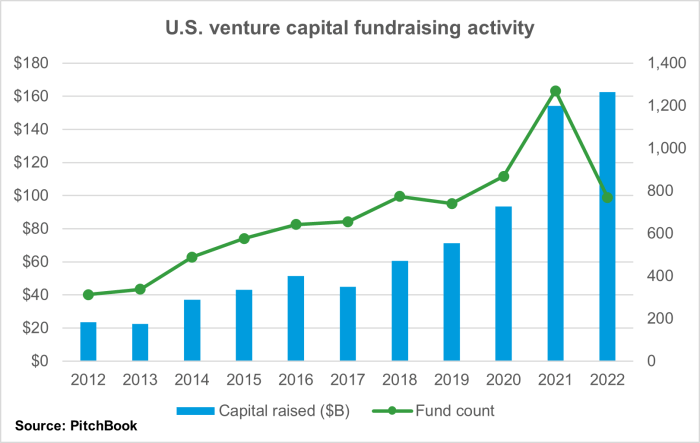
The travel industry is undergoing a rapid transformation driven by technological advancements and evolving consumer preferences. From personalized travel planning to seamless booking experiences, technology is reshaping every aspect of how we travel. This presents both challenges and significant opportunities for travel businesses, and venture capital is playing a crucial role in navigating this dynamic landscape. The influx of VC funding is fueling innovation and enabling companies to adapt to the changing needs of modern travelers.The potential impact of technological advancements on the travel industry is substantial, particularly in areas like travel planning, visa processing, and the overall travel experience.
Venture capital investment is vital in helping travel businesses leverage these advancements to enhance their offerings and gain a competitive edge. This investment supports the development and implementation of innovative solutions that cater to the evolving demands of the modern traveler.
Technological Advancements and Their Impact on Travel
Technological advancements are significantly impacting various aspects of the travel industry. Artificial intelligence (AI), for instance, is revolutionizing personalized travel planning, offering customized itineraries based on individual preferences and past travel data. Blockchain technology promises to streamline visa applications and enhance security, while augmented reality (AR) and virtual reality (VR) are transforming the way travelers experience destinations before and during their trips.
The adoption of these technologies requires substantial investment, and venture capital is proving instrumental in facilitating this adoption.
Venture Capital’s Role in Adapting to Change
Venture capital firms are actively investing in travel technology startups that are addressing the evolving needs of consumers. This includes companies focusing on personalized travel planning, AI-powered travel assistants, blockchain-based solutions for secure travel documents, and innovative platforms for booking and managing travel arrangements. The funding provided by VCs allows these businesses to scale their operations, enhance their technology, and expand their reach to a wider customer base.
By investing in innovative solutions, venture capitalists are helping the travel industry adapt to changing consumer preferences and technological disruptions. For example, companies developing AI-driven travel planning tools are attracting significant investment, as are those focused on improving the efficiency and security of travel document processing.
Examples of VC Investment in Travel Technologies
| Technological Advancement | Impact on Travel | Potential VC Investment Areas |
|---|---|---|
| AI-powered personalized travel planning | Creates customized itineraries based on individual preferences, leading to improved travel experiences and increased customer satisfaction. | Startups developing AI algorithms for travel planning, personalized recommendations, and dynamic pricing. |
| Blockchain technology for visa processing | Streamlines visa applications, enhances security, and reduces processing time, making international travel more convenient. | Companies developing secure, transparent, and efficient blockchain-based platforms for visa applications and travel document management. |
| AR/VR for immersive travel experiences | Allows travelers to virtually explore destinations before their trip, enhancing the planning process and creating excitement. | Startups creating AR/VR applications for virtual tours, destination exploration, and interactive travel guides. |
| Sustainable travel platforms | Connects travelers with eco-friendly accommodations, transportation, and activities, promoting responsible tourism. | Companies developing platforms that promote sustainable travel options, carbon offsetting programs, and responsible tourism practices. |
In conclusion, the venture capital landscape for fintech startups in 2024 presents a complex yet exciting picture. While regulatory uncertainty and technological risks remain, the potential for significant returns is undeniable. By understanding the key trends Artikeld above – from the focus on embedded finance and AI to the global variations in investment – both startups and investors can navigate this dynamic environment more effectively.
The future of fintech hinges on innovation, adaptation, and a keen understanding of the evolving investor landscape.
FAQ Summary
What are the biggest risks for fintech startups seeking funding in 2024?
Significant risks include regulatory uncertainty, intense competition, the need for rapid scaling, and securing and retaining top talent.
How can a fintech startup improve its chances of securing venture capital?
Focus on a strong value proposition, a clear path to profitability, a robust team, a well-defined go-to-market strategy, and a strong track record (if applicable).
What are the key metrics VCs look at when evaluating fintech startups?
Key metrics include user growth, customer acquisition cost (CAC), lifetime value (LTV), revenue growth, and profitability.
What is the role of ESG (Environmental, Social, and Governance) factors in fintech VC investment?
ESG considerations are increasingly important. VCs are scrutinizing a company’s environmental impact, social responsibility, and governance practices.


