
Securing a US entrepreneur visa in 2024 presents a significant opportunity, but navigating the complex requirements can be daunting. This guide provides a comprehensive overview of the various visa options available, detailing the eligibility criteria, application processes, and necessary documentation. Understanding the investment requirements, crafting a compelling business plan, and preparing the supporting documentation are crucial steps towards success.
From outlining the different visa types and their respective investment needs to providing insights into securing funding and creating a robust business plan, this resource aims to equip aspiring entrepreneurs with the knowledge necessary to pursue their American dream. We will explore the nuances of each visa category, offering practical advice and addressing common concerns along the way.
US Entrepreneur Visa Requirements (2024) Overview
Securing a US entrepreneur visa requires careful planning and a thorough understanding of the various visa options and their respective requirements. The process can be complex, but with diligent preparation, aspiring entrepreneurs can navigate the system successfully. This overview details the key aspects of obtaining an entrepreneur visa in 2024.
Types of US Entrepreneur Visas
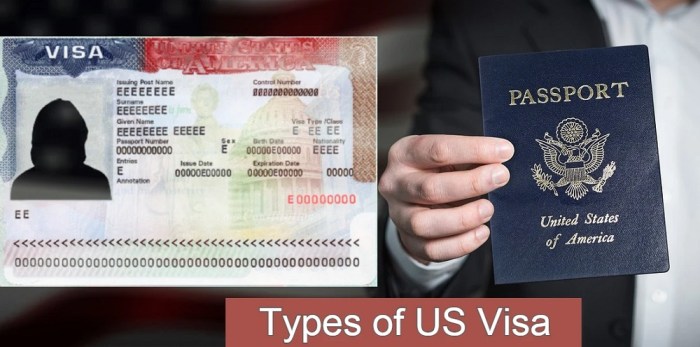
Several visa categories cater to entrepreneurs seeking to establish businesses in the United States. The most common are the E-2 Treaty Investor Visa and the EB-1C Multinational Manager or Executive Visa. Other options may exist depending on individual circumstances and business models, and it’s crucial to consult with an immigration attorney to determine the best fit.
E-2 Treaty Investor Visa Eligibility Criteria
The E-2 visa is available to nationals of countries with a treaty of commerce and navigation with the United States. Eligibility hinges on a substantial investment in a bona fide enterprise, meaning a real and operating business. The applicant must be coming to the U.S. to develop and direct the enterprise. The investment must be substantial relative to the total cost of the enterprise and must promise to generate significant employment.
The applicant must maintain substantial control over the investment.
E-2 Treaty Investor Visa Application Process
The E-2 application process involves several steps: First, prepare a comprehensive business plan demonstrating the viability of the enterprise. Next, gather evidence supporting the investment, such as bank statements, purchase agreements, and business licenses. Then, prepare the visa application forms, including Form DS-160. Following this, schedule an interview at a U.S. embassy or consulate.
Finally, upon approval, the applicant receives the visa and can enter the United States.
EB-1C Multinational Manager or Executive Visa Eligibility Criteria
The EB-1C visa is designed for managers or executives who have worked for a multinational company for at least one year in the three years preceding the application. The applicant must be transferred to a U.S. branch or subsidiary of the same company. The U.S. branch or subsidiary must be a bona fide enterprise, and the applicant must continue in a managerial or executive capacity.
EB-1C Multinational Manager or Executive Visa Application Process
The EB-1C application process begins with the U.S. branch or subsidiary filing a Form I-140, Immigrant Petition for Alien Worker. Supporting documentation, such as organizational charts, employment letters, and financial statements, is crucial. Once the I-140 is approved, the applicant can file Form I-485, Application to Register Permanent Residence or Adjust Status. This involves biometrics and an interview, leading to the granting of a green card if approved.
Comparison of E-2 and EB-1C Visas
| Feature | E-2 Treaty Investor Visa | EB-1C Multinational Manager/Executive Visa |
|---|---|---|
| Visa Type | Non-immigrant | Immigrant |
| Investment Requirement | Substantial investment in a bona fide enterprise | Transfer from a multinational company |
| Duration | Renewable, typically in 2-year increments | Leads to permanent residency (Green Card) |
| Eligibility | Nationals of treaty countries | Managers or executives with at least one year of employment within three years preceding application |
Investment Requirements for US Entrepreneur Visas
Securing a US entrepreneur visa necessitates a significant financial commitment, demonstrating your ability to successfully establish and operate a business in the United States. The specific investment requirements vary depending on the visa category, primarily focusing on the EB-5 Immigrant Investor Program and, less frequently, other visa categories that might involve business investment as a component. This section details the investment amounts, acceptable investment forms, job creation criteria, and investment maintenance requirements.
Minimum Investment Requirements
The minimum investment amount for the EB-5 Immigrant Investor Program is currently $1.8 million. However, this amount can be reduced to $900,000 if the investment is made in a Targeted Employment Area (TEA), a region designated by the government as experiencing high unemployment or low population density. Other visa categories may have different, and often higher, investment thresholds, depending on the nature of the business and the anticipated economic impact.
It’s crucial to consult with an immigration attorney to determine the applicable investment requirements for your specific situation.
Acceptable Forms of Investment
The EB-5 program accepts a range of investment forms, provided they can be demonstrably valued and contribute to the creation of new jobs. Direct cash investment is the most straightforward approach. However, assets such as real estate, equipment, or intellectual property can also qualify, provided they are properly appraised and meet the minimum investment threshold. The investment must be demonstrably at risk, meaning it is subject to potential loss.
Simply transferring existing assets to a US entity does not qualify unless it represents a genuine expansion or creation of a new enterprise.
Job Creation Criteria
A critical component of the EB-5 program is the creation of at least 10 full-time jobs for qualified US workers within two years of the investment. These jobs must be directly or indirectly attributable to the new commercial enterprise. Indirect jobs, such as those created through increased demand for goods and services within the community, are also counted.
Evidence of job creation may include payroll records, tax documents, employment contracts, and business operational reports. Meeting this requirement often involves meticulous planning and detailed documentation to demonstrate the economic impact of the investment. For instance, a new manufacturing facility might directly employ 20 workers while indirectly generating jobs in transportation, warehousing, and related industries.
Maintaining the Investment
Maintaining the investment for the duration of the visa process and beyond is crucial. The invested capital must remain at risk and actively engaged in the business operation. This means the funds cannot be withdrawn or liquidated without jeopardizing the visa status. The entrepreneur must actively participate in the management of the business and demonstrate continued commitment to its success.
Failure to maintain the investment or demonstrate continued business activity could lead to visa revocation. For example, an investor who withdraws the invested capital to pursue other ventures would likely be in violation of the program’s requirements.
Business Plan Requirements
A compelling business plan is the cornerstone of a successful US entrepreneur visa application. It serves as a roadmap, demonstrating not only your understanding of the market but also your commitment and ability to execute your business idea. The plan must convincingly illustrate the potential for job creation, economic impact, and innovation. A poorly written or unconvincing business plan can lead to immediate rejection.The business plan needs to be comprehensive, addressing key aspects of your proposed venture.
It’s not simply a summary; it’s a detailed blueprint that anticipates challenges and provides solutions. Investors and immigration officials will scrutinize every detail, looking for evidence of viability and potential.
Essential Components of a Compelling Business Plan
A strong business plan for a US entrepreneur visa application should include a detailed executive summary, a thorough market analysis, a comprehensive description of the proposed business, a clear management and organizational structure, a detailed marketing and sales strategy, and robust financial projections. The executive summary should be concise yet compelling, highlighting the key aspects of your business and its potential for success.
The market analysis needs to demonstrate a thorough understanding of your target market, competition, and potential for growth. The description of your business should clearly articulate your value proposition, your competitive advantage, and your plan for scaling your operations. The management and organizational structure should showcase your team’s expertise and experience. The marketing and sales strategy needs to Artikel how you will reach your target customers and generate revenue.
Finally, financial projections should be realistic and demonstrate the financial viability of your business.
Examples of Successful Business Plans
While specific examples of approved business plans are confidential for privacy reasons, successful applications often showcase businesses with innovative technologies or approaches to existing markets. For instance, a business plan focused on developing a sustainable energy solution, with strong projections for job creation and economic impact in a specific region, would be compelling. Similarly, a plan proposing a novel approach to healthcare delivery, leveraging technology to improve access and efficiency, would also stand out.
The common thread in successful plans is a clear demonstration of both innovation and market demand.
Showcasing Innovation and Potential
Demonstrating innovation is crucial. This isn’t just about a new product; it’s about a new approach, a new market, or a new way of doing things. This could involve patented technology, a unique business model, or a disruptive approach to an existing industry. Clearly articulate the problem your business solves, the unique solution you offer, and the potential impact on the market.
Use data and market research to support your claims, showcasing a strong understanding of your industry and its future trends. For example, a plan demonstrating a significant reduction in carbon emissions through a novel manufacturing process would be highly attractive.
Importance of Strong Financial Projections
Financial projections are critical. They need to be realistic, detailed, and supported by credible data. These projections should demonstrate the financial viability of your business, including revenue projections, expense budgets, and profitability forecasts. Consider using established financial modeling techniques and justifying your assumptions with market research and industry benchmarks. A plan with unrealistic or overly optimistic projections will likely be viewed skeptically.
For instance, a projection showing consistent growth based on realistic market penetration rates and pricing strategies would be more convincing than one showing exponential growth without a clear explanation. Including a sensitivity analysis, showing how the projections would change under different scenarios, further strengthens the credibility of the financial model.
Travel Considerations for Visa Applicants
Planning your trip to the United States for a visa interview or business purposes requires careful consideration of various factors. This section Artikels key aspects to ensure a smooth and efficient process, minimizing potential disruptions and maximizing your chances of a successful outcome. Efficient planning will reduce stress and allow you to focus on the main purpose of your trip.
Travel Insurance for US Visa Applicants
Comprehensive travel insurance is crucial for anyone traveling internationally, particularly for those undertaking the potentially stressful process of a visa application. Unexpected events, such as flight cancellations, medical emergencies, or lost luggage, can significantly impact your trip and incur substantial costs. Choosing the right policy protects your financial investment and provides peace of mind. Suitable coverage should include medical expenses (including emergency evacuation), trip cancellation or interruption, lost or stolen belongings, and potentially legal assistance.
Examples of suitable coverage could include policies offering at least $50,000 in medical coverage, $5,000 for lost luggage, and coverage for trip cancellations due to unforeseen circumstances. It’s advisable to carefully review policy details and choose a provider with a proven track record and positive customer reviews.
Efficient Travel Planning Strategies
Effective travel planning significantly reduces stress and improves the likelihood of a successful visa application. This involves careful coordination of flights, accommodation, and visa interview scheduling. Booking flights and accommodation well in advance, especially during peak seasons, secures better prices and preferred options. Consider using flight comparison websites to find the most cost-effective options and booking flights with airlines known for their reliability.
Similarly, researching and booking accommodation near the US embassy or consulate where your interview will take place is recommended to minimize travel time and potential delays on the day of your interview. A well-planned itinerary, including ample buffer time for unexpected events, will help ensure a smoother experience.
Obtaining a Travel Visa for the Interview Process
Depending on your nationality, you may require a separate travel visa to enter the United States, even if you are applying for an entrepreneur visa. This travel visa is distinct from the entrepreneur visa itself. The specific requirements for a travel visa vary based on nationality and the purpose of the visit. Applicants should check the US embassy or consulate website for their country to determine the specific visa type required and the necessary documentation.
This typically involves completing an online application, providing supporting documents (such as proof of financial means and travel itinerary), scheduling an interview, and paying the visa application fee. Allow ample time for the visa processing as it can take several weeks or even months, depending on the individual circumstances and the workload of the embassy or consulate. Failure to secure the appropriate travel visa will prevent you from attending your entrepreneur visa interview.
Funding and Venture Capital for US Startups
Securing funding is a critical step for any US startup aiming for growth and sustainability. The US boasts a diverse landscape of funding options, each with its own characteristics and requirements. Understanding these options is crucial for entrepreneurs seeking to navigate the complex world of startup finance. This section Artikels various funding sources and the process of securing venture capital.
Sources of Funding for US Startups
Entrepreneurs have access to a wide range of funding sources, each catering to different stages of business development and risk tolerance. These options offer varying levels of control and dilution for founders.
- Bootstrapping: This involves funding the business using personal savings, revenue generated, and loans from family and friends. It’s a common starting point, minimizing early dilution but limiting growth potential.
- Angel Investors: High-net-worth individuals invest in early-stage companies in exchange for equity. They often provide mentorship and industry connections alongside capital.
- Venture Capital (VC): Venture capital firms pool funds from institutional investors and invest in high-growth startups with significant potential. They typically invest at later stages than angel investors and demand a larger equity stake.
- Crowdfunding: Platforms like Kickstarter and Indiegogo allow entrepreneurs to raise funds from a large number of individuals through online campaigns. This approach builds early community engagement but requires a strong marketing strategy.
- Small Business Administration (SBA) Loans: The SBA guarantees loans made by private lenders to small businesses, reducing the risk for the lender and making financing more accessible.
- Incubators and Accelerators: These programs provide startups with mentorship, workspace, resources, and often seed funding in exchange for equity. They offer valuable support networks and guidance.
Venture Capital Funding Options
Venture capital funding comes in several forms, each suited to different stages of a company’s lifecycle and investment needs.
- Seed Funding: Early-stage funding provided to validate a business idea and develop a minimum viable product (MVP).
- Series A Funding: Follows seed funding and is used for scaling operations, expanding the team, and increasing market penetration.
- Series B, C, etc. Funding: Subsequent funding rounds used for further expansion, acquisitions, or research and development. Later-stage rounds often involve larger investment amounts.
Securing Venture Capital
The process of securing venture capital is competitive and requires a well-structured approach.
- Develop a Compelling Business Plan: A robust business plan detailing the market opportunity, business model, team, financial projections, and exit strategy is crucial.
- Build a Strong Network: Networking with investors, mentors, and industry professionals is essential for securing introductions and building credibility.
- Pitch Effectively: A concise and persuasive pitch deck summarizing the key aspects of the business is needed to capture investors’ attention.
- Due Diligence: Investors will conduct thorough due diligence, scrutinizing financials, legal aspects, and the team’s capabilities.
- Negotiate Terms: Negotiating the terms of the investment agreement, including valuation, equity stake, and investor rights, is a critical step.
Networking Opportunities for Meeting Potential Investors
Building relationships with potential investors is vital for securing funding. Several avenues exist for effective networking.
- Industry Events and Conferences: Attending industry-specific events provides opportunities to meet investors and learn about investment trends.
- Investor Pitch Competitions: Participating in pitch competitions offers exposure to investors and valuable feedback.
- Online Platforms: Platforms like AngelList and Crunchbase connect startups with investors.
- Mentorship Programs: Mentors often have connections to investors and can provide valuable introductions.
- Warm Introductions: Leveraging existing professional networks to obtain introductions to investors is highly effective.
Successfully obtaining a US entrepreneur visa requires meticulous planning and preparation. This guide has provided a foundational understanding of the key requirements, emphasizing the importance of a well-structured business plan, sufficient funding, and comprehensive documentation. By diligently addressing each aspect, aspiring entrepreneurs can significantly increase their chances of approval and embark on their entrepreneurial journey in the United States.
Remember to consult with immigration professionals for personalized guidance throughout the process.
Question & Answer Hub
What is the difference between an EB-5 and an E-2 visa?
The EB-5 visa requires a significantly larger investment and job creation commitment than the E-2 visa. E-2 visas are generally easier to obtain but require treaty trader status.
Can I apply for a US entrepreneur visa if I don’t have a US-based business yet?
Most entrepreneur visas require a concrete business plan and often some initial investment or business activity in the US. However, the specifics vary depending on the visa type.
How long does the application process typically take?
Processing times vary greatly depending on the visa type and individual circumstances. Expect significant delays and plan accordingly.
What happens if my visa application is denied?
Denial reasons vary. You may appeal the decision or reapply after addressing the reasons for denial. Legal counsel is strongly advised.


