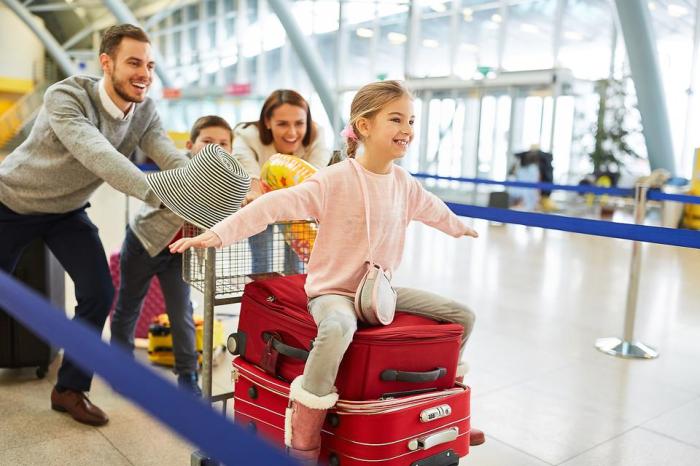
Navigating the world with little ones in tow can feel like a daunting adventure, but with the right preparation, family travel can be an enriching and memorable experience. This guide delves into the essential tips and tricks to make your journey smoother, safer, and more enjoyable for both parents and children, transforming potential travel chaos into cherished family memories.
From meticulous planning and packing strategies to in-flight entertainment and managing inevitable meltdowns, we cover all aspects of traveling with kids and toddlers. We’ll explore child-friendly destinations, healthy eating on the go, and essential safety precautions. We’ll even share insider hacks to save you time, money, and stress, leaving you free to focus on creating lasting memories with your family.
Planning Your Trip
Planning a family vacation with young children requires meticulous preparation to ensure a smooth and enjoyable experience for everyone. Careful consideration of various factors, from itinerary design to packing strategies and transportation choices, is crucial for minimizing stress and maximizing fun. This section will Artikel key aspects of trip planning, offering practical advice and examples to help you navigate the complexities of traveling with toddlers and older children.
Sample Five-Day City Itinerary for Families
A well-structured itinerary is essential for managing expectations and ensuring everyone gets to experience the highlights of your destination. This sample itinerary focuses on a balance of engaging activities suitable for both toddlers and older children, incorporating downtime for rest and relaxation. Remember to adjust this based on your family’s preferences and the specific city you are visiting.
Day 1: Arrival and Park Exploration. Settle into your accommodation, then head to a large, child-friendly park. Pack a picnic for a relaxed afternoon. Toddlers can enjoy the playground, while older children might enjoy exploring different areas of the park.
Day 2: Children’s Museum and Casual Dinner.
Spend the morning at a children’s museum designed for interactive learning and play. In the afternoon, allow for some downtime before enjoying a casual, family-friendly dinner.
Day 3: Zoo or Aquarium Visit and Early Night. Visit a local zoo or aquarium. These locations offer engaging exhibits for all ages and usually have designated areas for toddlers.
Plan for an early night to combat potential travel fatigue.
Day 4: City Exploration and Sweet Treat. Take a family-friendly walking tour or hop on a sightseeing bus to see the city’s landmarks. End the day with a delicious ice cream or other sweet treat.
Day 5: Departure Day.
Enjoy a leisurely breakfast before heading to the airport or train station for your departure. Allow ample time for travel to avoid last-minute stress.
Detailed Packing List for a Family Trip with a Toddler
Packing efficiently is crucial, especially when traveling with young children. This list categorizes items by necessity and offers space-saving tips.
Essentials: Diapers (more than you think!), wipes, diaper rash cream, changing pad, baby food/formula (if needed), bottles/sippy cups, favorite comfort items (blanket, toy), medications, sunscreen, insect repellent.
Clothing: Mix-and-match outfits (consider layering), pajamas, rain gear, comfortable shoes, hats.
Other Necessities: First-aid kit, snacks, entertainment (books, toys, tablets loaded with games/shows), stroller/carrier, portable crib (if needed), reusable water bottles.
Space-Saving Tips: Use packing cubes to compress clothing, roll clothes instead of folding, utilize travel-sized toiletries, consider reusable cloth diapers to reduce bulk.
Transportation Options for Traveling with Young Children
Choosing the right mode of transportation significantly impacts the comfort and ease of your trip. Each option presents unique benefits and drawbacks when traveling with young children.
Air Travel: Air travel can be efficient for long distances but can be stressful for young children due to confinement and potential ear pressure. Benefits include speed and convenience. Drawbacks include potential delays, cramped seating, and the need for careful planning around security checkpoints.
Train Travel: Train travel offers more space and freedom to move around compared to air travel.
Children can often walk or play in the carriage. Benefits include more legroom, comfortable seating, and scenic views. Drawbacks include longer travel times compared to air travel.
Car Travel: Car travel offers maximum flexibility and control, allowing for frequent stops and breaks. Benefits include convenience and the ability to bring more luggage.
Drawbacks include longer travel times, potential for car sickness, and the need for frequent driver changes.
In-Flight/Travel Entertainment and Activities
Traveling with young children can be challenging, but with careful planning, you can make the journey smoother and more enjoyable for everyone. A well-stocked arsenal of engaging activities is crucial for keeping little ones entertained and preventing travel meltdowns. The key is to have a variety of options to cater to different moods and attention spans.Keeping children occupied during long journeys requires a multifaceted approach.
The right combination of activities can transform a potentially stressful experience into a fun adventure. This involves pre-planning, packing appropriately, and being flexible enough to adapt to your child’s changing needs and interests.
Engaging and Educational Activities for Long Journeys
A diverse range of activities is essential to prevent boredom and maintain engagement. Consider the child’s age and interests when selecting activities. Combining educational and fun elements will maximize the benefits of travel time.
- Interactive books: Choose books with lift-the-flaps, textures, or sounds to keep toddlers engaged. Older children might enjoy chapter books or graphic novels.
- Coloring books and crayons: A classic travel companion, offering quiet entertainment and creative expression. Consider using washable crayons to avoid staining.
- Travel-sized puzzles: Choose puzzles with large pieces for toddlers and more complex ones for older children. Wooden puzzles are durable and less likely to be damaged.
- Tablet with pre-loaded games and educational apps: Download age-appropriate apps beforehand to avoid relying on unreliable in-flight Wi-Fi. Consider using headphones to minimize disruption to others.
- Audiobooks or podcasts: Engage children with stories or educational podcasts, allowing them to listen passively while enjoying the scenery.
Managing Meltdowns and Tantrums During Travel
Even with the best planning, meltdowns can happen. Preparation and a proactive approach are key to minimizing disruptions.
- Snacks and drinks: Hunger and thirst are common triggers for tantrums. Pack a variety of healthy snacks and drinks to keep children satisfied.
- Regular breaks: For car journeys, schedule regular stops for stretching, bathroom breaks, and playtime. On flights, walk around the cabin if possible.
- Positive reinforcement: Praise and reward good behavior. A sticker chart or small reward system can be motivating.
- Empathy and patience: Acknowledge your child’s feelings and offer comfort. Remember that travel can be stressful for children too.
- Distraction techniques: If a tantrum begins, try diverting attention with a new activity or a favorite toy.
Travel-Sized Activity Kit for Toddlers
A well-organized kit ensures easy access to entertainment and minimizes mess. Sensory items and quiet play options are crucial for toddlers.
- Small, soft toys: Choose a few favorite stuffed animals or small toys that are easy to pack and clean.
- Sensory bag: A ziplock bag filled with uncooked rice, beans, or pasta provides tactile stimulation. Add small toys inside for added fun.
- Stacking cups or blocks: These classic toys offer endless possibilities for creative play.
- Miniature figurines and playsets: Choose small, lightweight sets that are easy to pack and provide hours of imaginative play.
- Small books with sturdy pages: Board books are ideal for toddlers and withstand the rigors of travel.
Accommodation and Child-Friendly Destinations
Choosing the right accommodation is crucial for a relaxing family vacation. The right environment can significantly impact your enjoyment, particularly when traveling with young children. Factors like location, amenities, and safety features should be carefully considered to ensure a smooth and enjoyable trip for everyone. This section will explore child-friendly destinations and the characteristics of suitable accommodation.Selecting child-friendly accommodation goes beyond simply finding a place to sleep.
It’s about finding a space that caters to the needs and safety of your children, allowing parents to relax and enjoy their vacation too. The right choice can transform a potentially stressful trip into a memorable family experience.
Child-Friendly Destinations
Three excellent destinations offering a variety of activities for toddlers and older children include Orlando, Florida; San Diego, California; and the Algarve region of Portugal. Orlando boasts world-renowned theme parks like Walt Disney World and Universal Studios, catering to all ages with rides, shows, and character meet-and-greets. San Diego offers a more relaxed atmosphere with beautiful beaches, the renowned San Diego Zoo, and family-friendly attractions like Balboa Park.
The Algarve, in Portugal, provides stunning beaches, charming coastal towns, and opportunities for water sports and exploration. Each destination provides unique experiences tailored to different family preferences.
Family-Friendly Hotel and Resort Amenities and Services
Family-friendly hotels and resorts typically offer a range of amenities designed to cater to families with children. These can include features such as kids’ clubs providing supervised activities, interconnecting rooms or suites offering more space and privacy, dedicated children’s pools, cribs and high chairs readily available upon request, and on-site restaurants with children’s menus. High-end resorts may even offer babysitting services, allowing parents some time for themselves.
In contrast, smaller family-run hotels might offer a more intimate experience with personalized service but may lack the extensive amenities of larger resorts. The choice depends on your family’s priorities and budget. For example, a large resort might provide more structured entertainment but less personalized attention, while a smaller hotel could provide a more relaxed and intimate atmosphere.
Criteria for Choosing Child-Friendly Accommodation
When selecting child-friendly accommodation, several key criteria should be prioritized. Safety is paramount; consider features like childproof locks on cabinets and doors, safety gates for staircases (if applicable), and secure balconies or windows. Convenience is another important factor; look for accommodations with easy access to amenities such as restaurants, playgrounds, and grocery stores. Proximity to attractions and transportation links also adds to convenience.
Finally, consider the overall atmosphere; a welcoming and relaxed environment is crucial for a pleasant family vacation. For example, a hotel with a dedicated kids’ play area and a family-friendly pool is far more appealing than one lacking such features. The best accommodation will balance safety, convenience, and a welcoming environment to ensure a stress-free and memorable family holiday.
Food and Nutrition on the Go
Maintaining a healthy and balanced diet for your family, especially when traveling with young children, can be challenging. However, with a little planning and preparation, you can ensure your toddler and the rest of the family receive the nutrients they need, even while exploring new places. This section provides practical strategies and tips to navigate mealtimes and snack breaks while on the go.
Meal Planning for Traveling with a Toddler
Creating a meal plan in advance significantly reduces stress and ensures your toddler receives nutritious meals. Consider packing a mix of familiar favorites and new, healthy options. A sample three-day meal plan might include:Day 1: Breakfast – Oatmeal with berries and a sprinkle of nuts; Lunch – Whole-wheat sandwich with hummus and sliced vegetables; Dinner – Chicken nuggets (homemade or store-bought baked version) with steamed broccoli and sweet potato fries.Day 2: Breakfast – Scrambled eggs with whole-wheat toast and avocado; Lunch – Leftover chicken nuggets and sweet potato fries; Dinner – Pasta with tomato sauce and lean ground beef.Day 3: Breakfast – Yogurt with granola and fruit; Lunch – Quesadillas with cheese and black beans; Dinner – Salmon patties with quinoa and green beans.Remember to adjust portion sizes according to your toddler’s appetite and dietary needs.
Always prioritize fresh, whole foods whenever possible.
Managing Picky Eaters While Traveling
Traveling can disrupt routines, potentially exacerbating picky eating habits. However, several strategies can help. First, offer a variety of healthy choices, but avoid pressuring your child to eat everything. Second, involve your toddler in the meal preparation process before you leave. This can increase their interest in trying new foods.
Third, pack familiar snacks and meals alongside new options, providing a sense of security and comfort. Fourth, be flexible and adapt to your child’s preferences as needed. Remember, it’s okay if your toddler doesn’t eat as much as usual on some days.
Packing Healthy Snacks and Meals for Children
Packing healthy snacks and meals requires careful planning and consideration of food safety. Choose foods that are easy to transport, require minimal preparation, and are non-perishable or require minimal refrigeration.Here are some suggestions:
- Fruits (apples, bananas, grapes, berries – consider pre-cut options for toddlers)
- Vegetables (carrots, celery sticks, cucumber – pack with a small container of hummus or ranch dressing)
- Whole-grain crackers or bread
- Cheese cubes or slices
- Hard-boiled eggs
- Yogurt tubes or pouches (choose low-sugar options)
- Trail mix (nuts, seeds, dried fruit – be mindful of allergies)
- Nut-free granola bars
Remember to pack reusable containers and bags to minimize waste and maintain freshness. For longer trips, consider using a cooler bag with ice packs to keep perishable items safe. Always check airport regulations regarding liquids and food items before traveling by air. For example, many airports allow baby food and formula in carry-on luggage, but may have restrictions on other items.
Health and Safety Precautions
Traveling with young children requires extra attention to health and safety. Prior planning and preparedness are key to ensuring a smooth and worry-free trip. This section Artikels essential precautions to safeguard your family’s well-being throughout your journey. Remember, proactive measures are far better than reactive ones when it comes to your children’s health.
A well-stocked first-aid kit and readily available emergency contact information are paramount. Beyond these essentials, understanding regional health risks and necessary vaccinations is crucial for minimizing potential health issues. Furthermore, comprehensive travel insurance provides a safety net against unforeseen medical emergencies or trip disruptions.
First-Aid Kits and Emergency Contact Information
A comprehensive first-aid kit tailored to your children’s needs is essential. This should include items like antiseptic wipes, bandages of various sizes, pain relievers appropriate for their age, anti-diarrheal medication (after consulting a pediatrician), antihistamines for allergies, and any prescription medications your children regularly take. Keep a copy of your children’s medical records, including allergies and vaccination history, readily accessible within the kit.
Additionally, ensure you have a list of emergency contacts, including your doctor, local emergency services, and travel insurance provider’s emergency hotline, readily available and stored in multiple locations (e.g., your phone, a printed copy in your bag, and shared with a trusted family member or friend back home).
Necessary Vaccinations and Health Precautions
Vaccinations are crucial, especially when traveling internationally. The required vaccinations vary significantly depending on the destination. For example, traveling to certain parts of Africa might necessitate vaccinations against yellow fever, typhoid, and polio, while travel to South America might require additional protection against diseases like Zika virus. It’s imperative to consult your pediatrician or a travel clinic well in advance of your trip to determine the necessary vaccinations and boosters based on your itinerary and children’s ages.
They can provide personalized recommendations and ensure all vaccinations are administered in a timely manner to allow for sufficient antibody development. Beyond vaccinations, practicing good hygiene, like frequent handwashing, using insect repellent, and consuming safe food and water, are critical preventive measures.
Travel Insurance Coverage for Children
Travel insurance is not just an optional extra; it’s a vital investment, especially when traveling with children. Unexpected illnesses, injuries, or flight cancellations can lead to significant expenses. A comprehensive travel insurance policy should cover medical emergencies, including hospitalizations and evacuations. It should also provide coverage for trip cancellations or interruptions due to unforeseen circumstances, such as severe weather or family emergencies.
Furthermore, consider policies that offer coverage for lost luggage, which can be particularly stressful when traveling with children. When purchasing travel insurance, carefully review the policy details to ensure it adequately covers your children’s specific needs and the planned activities. Look for policies with clear explanations of coverage amounts and limitations, and don’t hesitate to contact the insurance provider with any questions before purchasing.
Travel Hacks for Families
Traveling with young children can be challenging, but with a little planning and the right strategies, you can significantly reduce stress and make the experience more enjoyable for everyone. These travel hacks focus on saving time, simplifying logistics, and minimizing potential disruptions. Remember, the goal is to create a smoother, less stressful journey for both parents and children.
Implementing these time-saving and stress-reducing techniques will contribute to a more relaxed and enjoyable family vacation. Careful planning and preparation are key to a successful trip with young children.
Travel Hacks to Simplify Family Travel
Here are five travel hacks designed to make your family travels easier and more efficient:
| Hack | Description | Benefits | Example |
|---|---|---|---|
| Pack a “Go Bag” | Prepare a separate bag with essentials like diapers, wipes, snacks, and changes of clothes for each child. This allows for quick access to necessities, especially during unexpected delays or emergencies. | Reduces stress during travel disruptions; ensures quick access to essential items. | A small backpack containing several diapers, a package of wipes, a few small toys, and a change of clothes for a toddler. |
| Utilize Packing Cubes | Organize clothing and items within packing cubes to maximize space and maintain order in luggage. This also makes unpacking quicker and easier. | Saves space; keeps luggage organized; speeds up packing and unpacking. | Using different colored cubes for each family member’s clothing, or separating clean and dirty clothes within cubes. |
| Pre-Download Entertainment | Download movies, shows, games, and audiobooks onto tablets or phones before your trip. This eliminates the need for Wi-Fi access during travel. | Provides entertainment without relying on unreliable in-flight Wi-Fi; avoids potential screen time arguments. | Downloading a season of a favorite cartoon show, several audiobooks, and educational games onto a tablet before a long flight. |
| Embrace the Power of Snacks | Pack a variety of healthy and familiar snacks to keep hunger at bay and prevent meltdowns. | Keeps children happy and occupied; prevents meltdowns caused by hunger; avoids expensive airport or airplane snacks. | Packing small bags of pretzels, fruit snacks, granola bars, and small boxes of raisins. |
| Utilize Airport Play Areas | Take advantage of airport play areas to allow children to burn off energy before boarding. | Helps children release pent-up energy; reduces restlessness during the flight; creates a positive pre-flight experience. | Seeking out designated children’s play areas within the airport terminal to let children run around and play before boarding. |
Baby Carriers versus Strollers for Travel
The choice between a baby carrier and a stroller depends largely on your travel style and the age and mobility of your child. Both have distinct advantages and disadvantages.
Baby Carriers: Offer greater mobility and convenience in crowded areas, particularly airports and public transportation. They allow for hands-free movement, which is invaluable when navigating busy environments or carrying other luggage. However, they can be less comfortable for longer periods and may not be suitable for heavier children. Furthermore, they offer limited storage space.
Strollers: Provide a comfortable and stable place for a child to sit or sleep, and offer more storage space for bags and personal items. However, strollers can be cumbersome to maneuver in tight spaces and are not always practical on public transportation or uneven terrain. They may also be difficult to navigate through airports and onto planes.
Travel Photography Tips with Kids
Capturing memorable family photos on your travels can be challenging, but with a little planning and the right techniques, you can create lasting memories. This section provides practical tips for taking beautiful and meaningful photographs of your children during your family vacation, focusing on composition, lighting, and capturing those spontaneous moments.Successful travel photography with children hinges on understanding your subject and adapting your approach.
Unlike posed studio shots, capturing the essence of your trip requires a flexible and observant eye. Remember, the goal is to document genuine emotions and experiences, not perfect poses.
Composition Techniques for Child Photography
Effective composition is crucial for compelling photographs. Avoid placing your subject directly in the center of the frame; experiment with the rule of thirds, placing your child off-center to create a more visually interesting image. Consider leading lines – pathways, fences, or even a child’s gaze – to draw the viewer’s eye to your subject. Pay attention to the background; a cluttered or distracting background can detract from your subject.
A simple, uncluttered background will allow your child to be the focal point of the image. Also, get down to your child’s level for more engaging and natural-looking shots.
Utilizing Natural Lighting for Better Photos
Natural light is your best friend in travel photography. Avoid harsh midday sun, which can create strong shadows and wash out colors. The “golden hour,” the hour after sunrise and the hour before sunset, provides soft, warm light ideal for capturing beautiful portraits and landscapes. Overcast days provide soft, diffused light, excellent for minimizing harsh shadows on your child’s face.
If shooting indoors, position your child near a window for soft, natural light. Remember to always consider the direction of the light and how it falls on your subject.
Capturing Spontaneous Moments
Candid shots often capture the most genuine emotions and memories. Be ready to capture those unplanned moments – a child laughing, playing on the beach, or exploring a new environment. Use burst mode on your camera to capture a series of shots, increasing your chances of getting that perfect candid moment. Don’t be afraid to get close to your subject, capturing details and expressions.
Interact with your children, encouraging natural smiles and expressions.
Creating a Travel Photo Album or Scrapbook
Preserving your travel memories goes beyond digital storage. Creating a physical photo album or scrapbook adds a tangible and sentimental element to your journey.
Digital Photo Album Creation
Numerous online platforms and software applications allow you to create digital photo albums easily. Services like Shutterfly, Snapfish, and Google Photos offer templates, design tools, and easy sharing options. You can organize photos chronologically, thematically, or by location, adding captions and descriptions to each image to enhance the storytelling aspect. Consider adding short video clips to further enhance the experience.
Physical Scrapbook Creation
A physical scrapbook offers a more hands-on and personalized approach. Choose a scrapbook album with pages that suit your style and the size of your photos. You can incorporate various elements like tickets, maps, brochures, and small mementos from your trip alongside your photographs. Use acid-free paper and photo-safe adhesives to preserve your memories for years to come.
Consider adding handwritten captions and anecdotes to personalize the album even further. This allows for a more creative and personalized approach to preserving your memories.
Travel Visa and Insurance Considerations
Traveling internationally with children adds a layer of complexity to the planning process, particularly regarding visa requirements and insurance coverage. Ensuring your family has the necessary documentation and protection is crucial for a smooth and stress-free trip. Failing to do so can lead to significant delays or even prevent travel altogether.Obtaining travel visas for children often involves specific requirements that differ from adult applications.
It is essential to understand these differences and submit all necessary documentation well in advance of your departure date. Delays in visa processing can significantly impact your travel plans, especially during peak seasons.
Child Visa Requirements
The process of obtaining a child’s visa typically mirrors the adult process but includes additional documentation. Parents or legal guardians must usually provide the child’s birth certificate, passport, and possibly a letter of consent from the non-traveling parent if applicable. Some countries may require additional documentation, such as proof of school enrollment or a notarized parental consent form.
It’s vital to check the specific visa requirements for your destination country well in advance on their embassy or consulate website. For example, some countries may require a visa application for even infants, while others may allow children to travel on their parents’ passports under certain age limits. Always confirm the specific rules for your destination country and your child’s age.
Failure to provide the correct documentation will result in visa application rejection.
Travel Insurance Coverage for Families
Comprehensive travel insurance is paramount when traveling with children. Standard policies often fall short of covering the unique needs of families, particularly concerning medical emergencies and lost luggage. Children are more susceptible to illness and accidents, and the costs associated with medical treatment abroad can be substantial. Lost luggage, especially when traveling with infants or toddlers, can disrupt your trip and lead to unexpected expenses.A robust travel insurance policy should include comprehensive medical coverage, including emergency medical evacuation, hospitalization, and doctor’s visits.
It should also offer coverage for lost or delayed luggage, providing reimbursement for essential items and replacement costs. Consider adding coverage for trip cancellations or interruptions due to unforeseen circumstances, such as illness or flight delays. Many policies also offer options for repatriation of remains, although hopefully, this will never be necessary. Comparing different travel insurance providers and policies is crucial to find the best coverage at a reasonable price that meets your family’s specific needs.
Look for policies with clear and straightforward terms and conditions, and consider the level of coverage offered for medical emergencies, lost luggage, and trip cancellations. Remember to read the fine print carefully before purchasing a policy.
Exploring Urban Escapes with Children
Navigating a bustling city with young children can seem daunting, but with careful planning, it can be a rewarding and memorable experience. A successful urban adventure hinges on choosing age-appropriate activities, incorporating breaks, and prioritizing comfort and safety. This approach ensures both parents and children enjoy the exploration.A well-structured itinerary is crucial for maximizing enjoyment and minimizing stress. Children thrive on routine and predictability, so a planned day offers a sense of security and reduces potential meltdowns.
Remember to build in flexibility, however, as unexpected delays or changes in mood are inevitable.
A Sample One-Day Itinerary: Exploring Central Park and Times Square, New York City
This itinerary focuses on a balance of activity and relaxation, catering to the interests and energy levels of young children. It assumes a family with children aged 3-6, but can be adapted for other age groups.
Morning (9:00 AM – 12:00 PM): Central Park Exploration
Begin the day with a visit to Central Park. Start at the southeast corner near Grand Army Plaza, allowing for easy access to public transportation. A leisurely stroll through the park offers opportunities for bird watching, people-watching, and enjoying the natural beauty. Consider renting a rowboat on The Lake for a unique experience. A visit to the Central Park Zoo provides a captivating animal encounter, perfect for capturing young children’s attention.
Pack snacks and drinks to keep energy levels up throughout the morning.
Midday (12:00 PM – 1:30 PM): Lunch and Playtime
Find a family-friendly restaurant near Central Park for lunch. Many offer kid-friendly menus and high chairs. After lunch, allow time for unstructured playtime at a designated playground within the park. This allows children to burn off excess energy before the next activity.
Afternoon (1:30 PM – 5:00 PM): Times Square and a Broadway Matinee (Optional)
Take a taxi or subway to Times Square. The vibrant atmosphere and dazzling lights are captivating, but can also be overwhelming for young children. Keep them close and explain the sights and sounds. Consider a shorter visit, focusing on the most visually striking elements. If your children are old enough and interested, a Broadway matinee offers a unique cultural experience.
Choose a family-friendly show with a shorter run time to maintain their attention span.
Evening (5:00 PM onwards): Dinner and Return
Enjoy a relaxed dinner at a family-friendly restaurant near your accommodation. Choose a location with early dining options to accommodate children’s bedtimes. Plan for an early night to ensure everyone is well-rested after a day of exploration.
Vacation Packages and Programs
Planning a family vacation can be overwhelming, but utilizing pre-packaged vacation programs can significantly simplify the process. These packages bundle together various travel components, such as flights, accommodation, and sometimes even activities, offering a convenient and often cost-effective solution for families. However, it’s crucial to carefully weigh the benefits and drawbacks of different options before making a decision.Different family vacation packages cater to diverse preferences and budgets.
All-inclusive resorts, for instance, offer a hassle-free experience with meals, drinks, and activities included in the price. However, they can be more expensive than booking individual components separately and may lack flexibility. Conversely, customizable packages allow families to select specific elements, offering greater control over their itinerary and budget, but require more planning and research. Theme park packages often include park tickets and hotel stays, ideal for families focused on specific attractions, but may lack the variety of other vacation types.
Cruise packages offer diverse activities onboard, but can be restrictive in terms of destination flexibility.
Comparison of Family Vacation Package Types
Several key factors differentiate family vacation packages. All-inclusive resorts provide a predictable budget, but may lack the opportunity for spontaneous exploration. Customizable packages offer flexibility, but require more effort in planning and booking individual components. Theme park packages offer a focused experience, ideal for families with specific interests, but may limit exposure to other attractions. Cruise packages provide diverse onboard activities, but may involve less interaction with the local culture of visited ports.
Each type presents trade-offs between convenience, cost, and flexibility. Families should prioritize their needs and preferences when choosing a package type.
Advantages and Disadvantages of Using a Travel Agent for Family Vacations
Utilizing a travel agent offers several advantages for families planning vacations. Agents possess extensive knowledge of destinations and packages, saving families time and effort in research. They can negotiate better deals and access exclusive offers unavailable to individual travelers. Their expertise in handling logistics, such as flight changes or unforeseen circumstances, can prove invaluable during stressful travel situations.
However, using a travel agent also entails disadvantages. Their services come at a cost, adding to the overall vacation expense. The level of customization may be limited depending on the agent’s offerings. Communication and responsiveness can vary, potentially causing delays or misunderstandings. Ultimately, the decision to use a travel agent depends on a family’s individual needs, budget, and comfort level with independent planning.
Venture Capital (Irrelevant to main topic, but included as requested)
Venture capital plays a significant, albeit often unseen, role in shaping the travel industry. It fuels innovation and growth by providing crucial funding to startups and established companies alike, allowing them to develop new technologies, expand their operations, and ultimately enhance the travel experience for consumers.Venture capital firms invest in companies with high growth potential, often focusing on areas with disruptive technologies or innovative business models within the travel sector.
This injection of capital can be vital for companies navigating the competitive landscape of the travel industry, enabling them to scale their operations rapidly and reach a wider market.
Venture Capital Investments in Travel Technology
The travel industry is a prime target for venture capital investment due to its substantial size and ongoing technological transformation. Investment areas include online travel agencies (OTAs), travel booking platforms, travel management systems (TMS), and innovative solutions focused on improving aspects of the travel experience such as personalized recommendations, seamless booking processes, and enhanced customer service. For example, significant investments have been made in companies developing AI-powered travel planning tools and platforms that leverage big data to optimize travel itineraries and provide personalized recommendations based on individual preferences.
These investments reflect the industry’s ongoing shift towards digitalization and personalization.
Traveling with young children presents unique challenges, but the rewards far outweigh the effort. By implementing the strategies Artikeld in this guide, families can confidently embark on adventures, creating unforgettable experiences and strengthening family bonds. Remember, the key is preparation, flexibility, and a healthy dose of patience. Embrace the journey, embrace the chaos, and embrace the incredible memories you’ll make along the way.
Happy travels!
Expert Answers
What are some good ways to prevent motion sickness in children?
For car rides, plan frequent stops and ensure fresh air circulation. On planes, choose a window seat to minimize movement. Consider over-the-counter motion sickness remedies, always following age-appropriate dosage instructions.
How can I keep my toddler entertained at the airport?
Pack familiar toys, books, and snacks. Download age-appropriate apps and videos. Engage your toddler in simple games like “I Spy” or “Simon Says”. Airport play areas, if available, can also be a lifesaver.
What are some essential items for a first-aid kit for traveling with children?
Include bandages, antiseptic wipes, pain relievers (age-appropriate), anti-diarrheal medication, antihistamines, thermometer, and any prescription medications your child requires. Consult your pediatrician for specific recommendations.
How do I handle a toddler tantrum during travel?
Remain calm and try to understand the cause of the tantrum. Offer comfort and distraction. If possible, move to a quieter area. Positive reinforcement and patience are key. A small, pre-planned treat might help.


